German Naval Mine

Aviation Archaeology in Greece

Έρευνα – Επιμέλεια κειμένου: Νίκος Καρατζάς

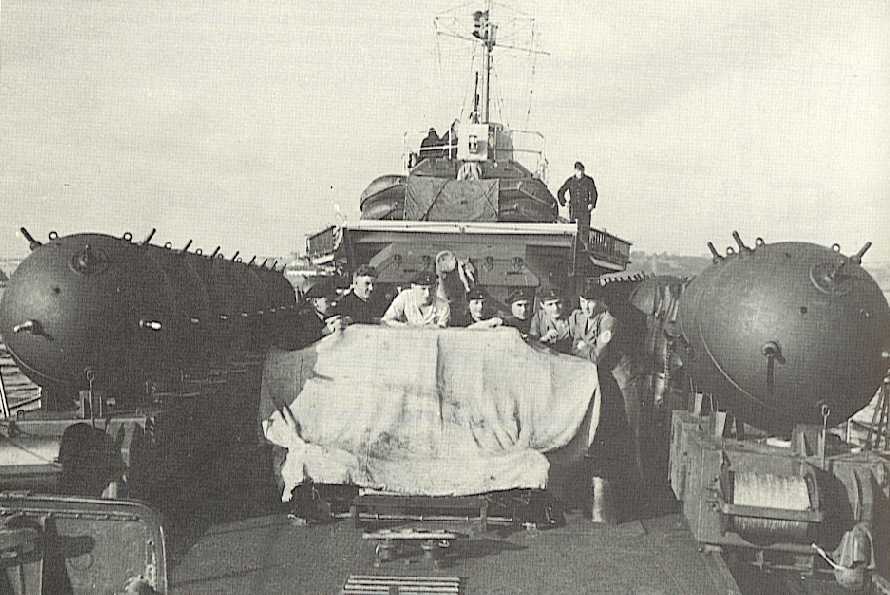
Οι νάρκες θαλάσσης μαζί με τις βόμβες βυθού και τις τορπίλες αποτελούν ύφαλα όπλα. Στη διάρκεια του 2ου Π.Π οι Γερμανοί θεωρούσαν την νάρκη ένα σύγχρονο και αποτελεσματικό επιθετικό όπλο με εκτεταμένη εφαρμογή.

WAMGER_Mines_Contact_pic

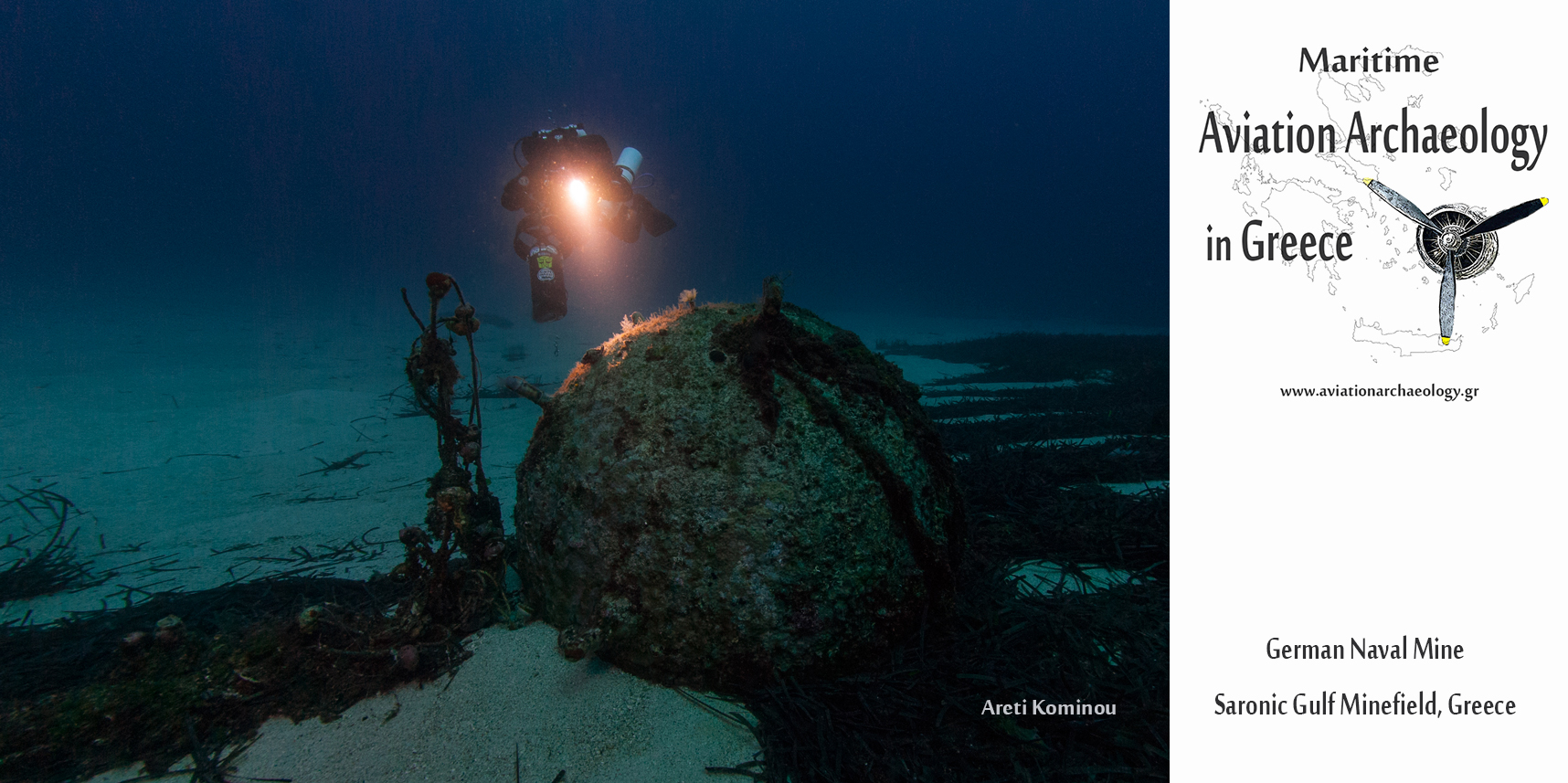
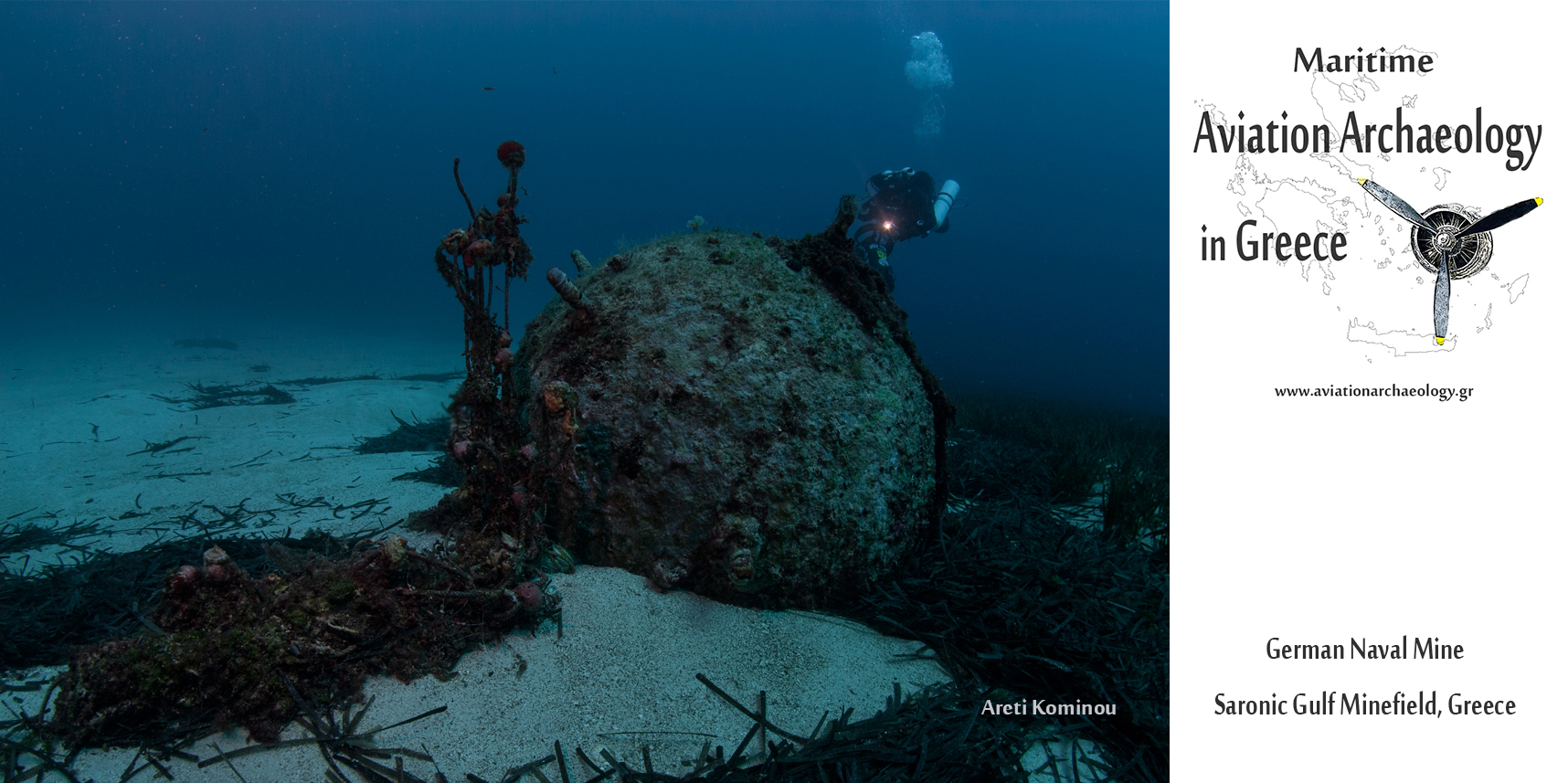
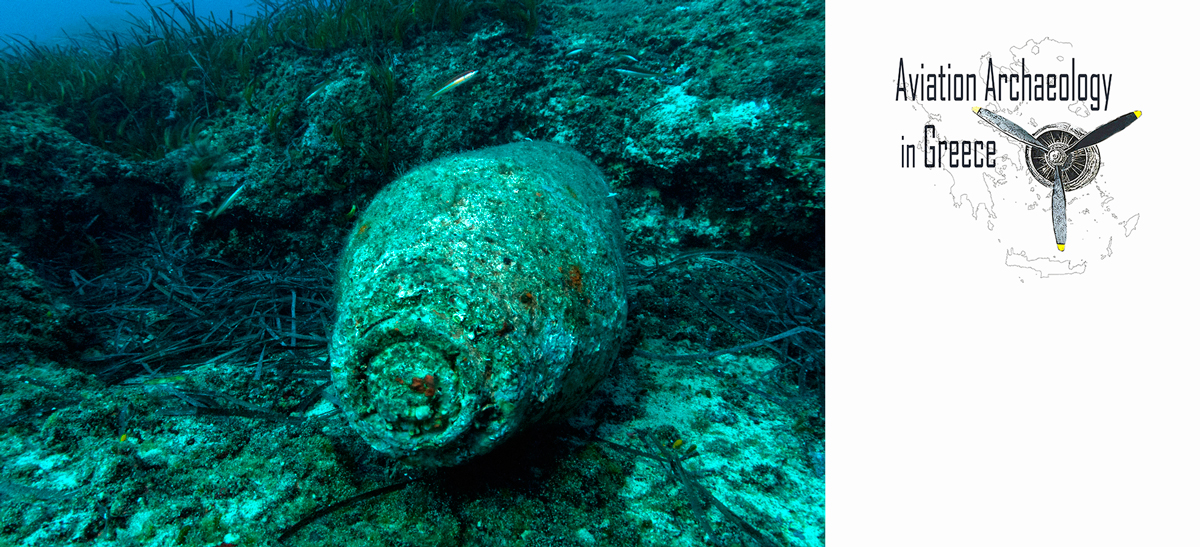
Κατά τη διάρκεια ερευνητικών καταδύσεων νότια της νησίδας Πατρόκλου (Γαϊδουρονήσι), εκτός από τις δυο βόμβες ΑΝ-Μ64, τύπου G.P.(General Purpose), εντοπίστηκε σε βάθος 28 μέτρων γερμανική νάρκη πιθανότατα τύπου Einheits Minen (EM), κατά τους Βρετανούς  GU, διαστάσεων  1.23 x 1.18 m. Σε μικρή απόσταση εντοπίστηκε η βάση από το αγκύριο της νάρκης.

 German Naval Mine1 a

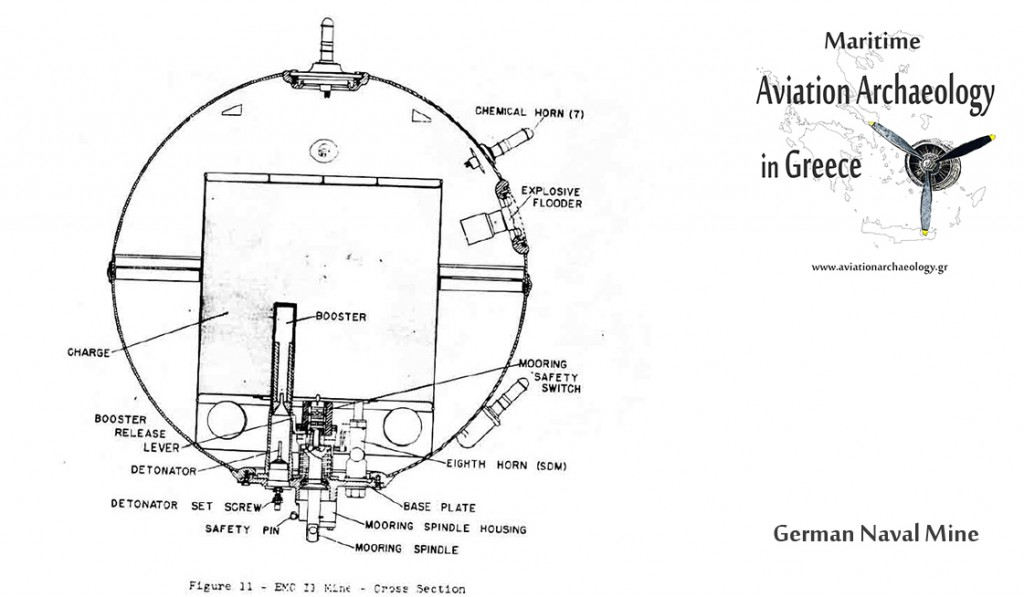
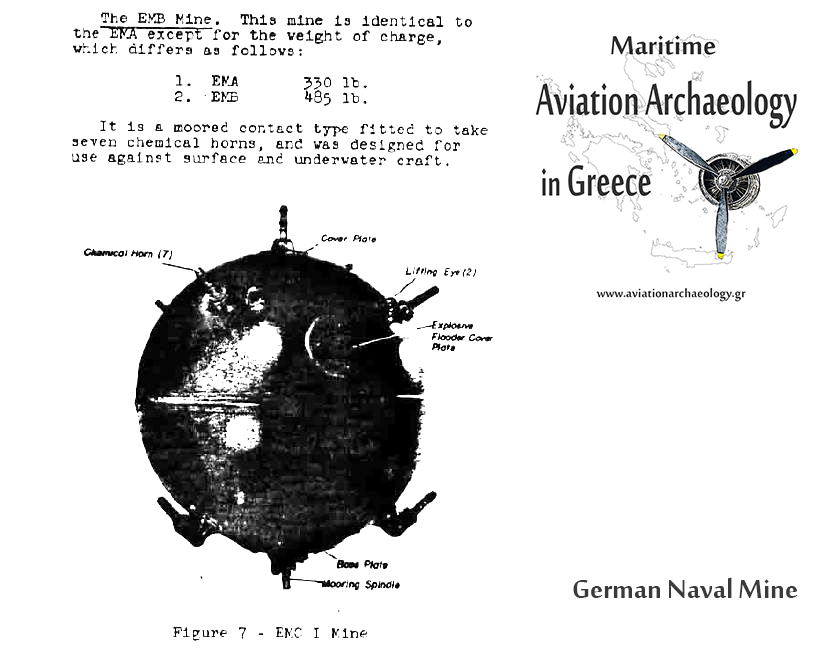
Οι νάρκες του τύπου ΕΜ πυροδοτούνται με την πρόσκρουση (κρουστική) και αναφέρονται σαν „Moored Contact mines“. Η πυροδότηση πραγματοποιούντο από  μεταλλικές κεραίες (Hertz Horns – Chemical Horns) όπου περιείχαν ένα γυάλινο φιαλίδιο γεμάτο με θειικό οξύ. Όταν το πλοίο κατά την πρόσκρουση έσπαγε την μεταλλική κεραία το θειικό οξύ διέρρεε μέσω σωλήνα στον μηχανισμό της νάρκης, τον ενεργοποιούσε και με διοχέτευση ρεύματος προκαλούσε την ανάφλεξη της εκρηκτικής ύλης.


ema mine manual2

Οι Γερμανικές νάρκες του Β ‚Παγκοσμίου Πολέμου χαρακτηρίζονται από γράμματα, τα δύο πρώτα δείχνουν τον τρόπο λειτουργίας ενώ το τρίτο γράμμα αναφέρεται στον τύπο της σειράς όπου συνήθως χαρακτηρίζει μια τροποποίηση. Ο κώδικας των γραμμάτων ήταν:

BM – Airborne mines laid without parachutes 
EM – Moored Contact mines.  Mostly Hertz Horns. 
FM – Shallow water contact mines, mostly moored types. 
KM – Anti-invasion coastal mines 
LM – Airborne parachute mines 
MT – Ground mine torpedoes laid from torpedo tubes 
OM – Surface mines 
RM – Shore-controlled or independent ground mines 
SM – Moored magnetic mines laid from mine tubes on U-Boats 
TM – Magnetic (influence) mines laid from torpedo tubes 
UM – ASW contact mines

Οι 13 τύποι για τις νάρκες ΕΜ ήταν:

ΕΜΑ, ΕΜB, EMC, EMD, ΕΜΕ, EMF, EMG, EMH, EMI, ΕΜΚ, EMR, EMS, EMU

German Naval Mine2 a

Η νάρκη του τύπου αυτού αποτελείται από δύο τμήματα, τον μηχανισμό του αγκυροβολίου, αγκύριο, όπου ήταν τοποθετημένο το τύμπανο εκτύλιξης του σύρματος (εξέλικτρο) και τον σφαιρικό πλωτήρα μια θολωτή κατασκευή όπου περιείχε την γόμωση με τους επικρουστήρες.  Η γόμωση για τις ΕΜC έφτανε τα 300 κιλά (660lb) . 

ema mine manual

Οι νάρκες θεωρούνται πολεμικό υλικό.  Η εκρηκτική ύλη Hexanite ήταν ένα γερμανικό στρατιωτικό εκρηκτικό που αναπτύχθηκε στις αρχές του 20ου αιώνα πριν από τον Πρώτο Παγκόσμιο Πόλεμο, για την Kaiserliche. Σκοπό ήταν να αυξήσει τις προμήθειες της μεγάλης ζήτησης  τρινιτροτολουολίου (TNT). Η Hexanite είναι σημαντικά πιο ισχυρή από το ΤΝΤ.  Ο πιο κοινός τύπος hexanite (κατά βάρος) ήταν 60% ΤΝΤ και 40% hexanitrodiphenylamine (HND).
Το ΤΝΤ δεν είναι διαλυτό στο νερό και ενδέχεται να είναι ενεργό για πολλές δεκαετίες.

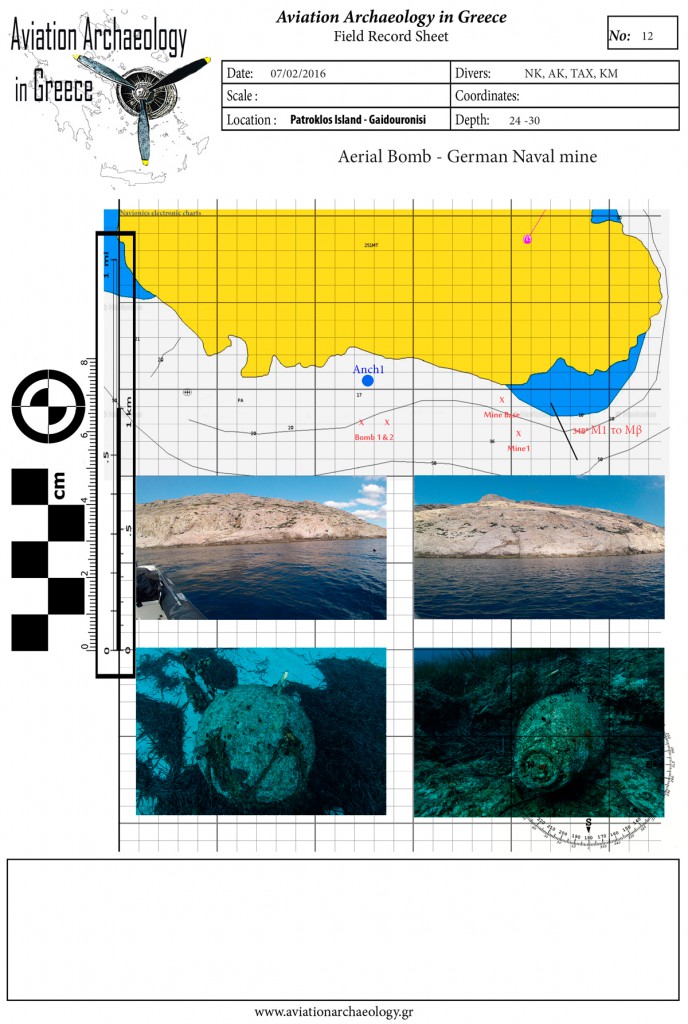
Στις καταδύσεις που πραγματοποιήθηκαν πήραν μέρος:Patroklos-field-record-fin

  • Αρετή Κομηνού
  • Τάσος Χατζηλιάδης
  • Παναγιώτης Βλέτσας
  • Τάσος Τσαλαβούτας
  • Κώστας Μιχάλαινας
  • Γιώργος Κολίκης
  • Αποστόλης Κυπραίος
  • Νίκος Καρατζάς


Reggiane Re.2002 – Corfu Island

Aviation Archaeology in Greece


By : Pierre Kosmidis

http://pierrekosmidis.blogspot.gr

Rare Reggiane Re.2002 „Ariete“ Italian WW2 fighter aircraft found intact in Corfu Island, Greece


A freediver shot an underwater video of an Italian Reggiane Re.2002 Ariete fighter aircraft, which was found recently in excellent condition in Corfu Island, Greece.
It is just the second WW2 Italian aircraft found in Greece, the other one being a unique SM79 „Sparviero“, in Poros Island, Greece.
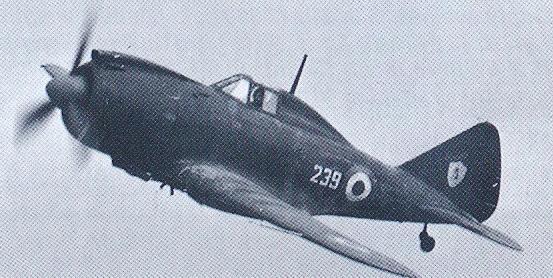
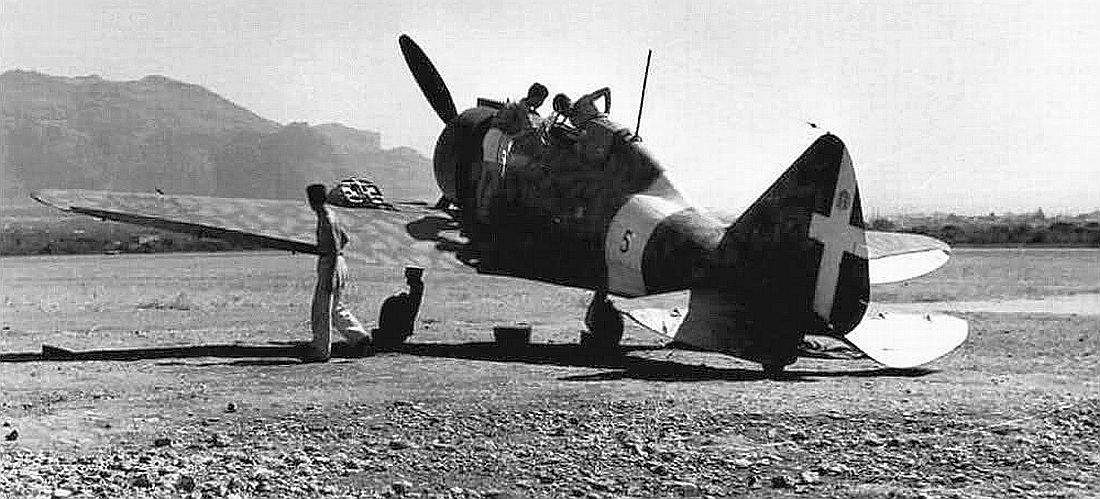
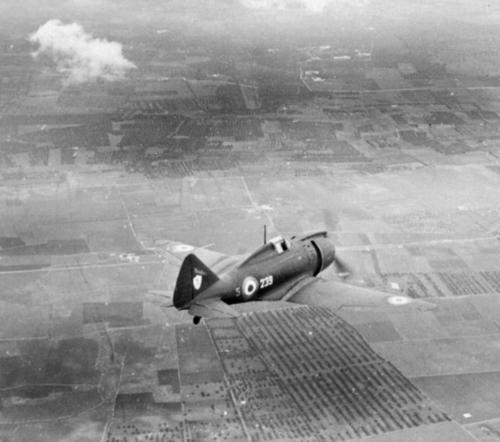
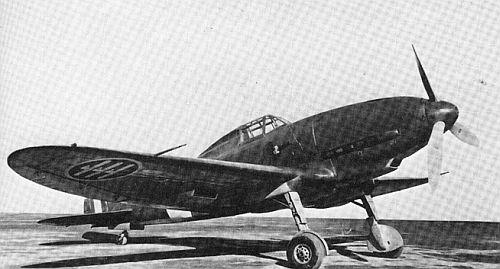
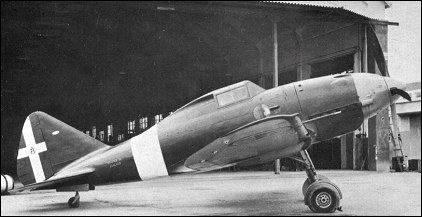
The Reggiane Re.2002 Ariete was an Italian fighter-bomber developed during World War II.
The aircraft was a further development of the Re.2000, with some of the modifications that already had been introduced in the Re.2001.

The aircraft was mainly used by the Regia Aeronautica (Royal [Italian] Air Force), but it also saw limited use with the German Luftwaffe, who used it against the French resistance.

In September 1941, the Italian Air Force ordered 200 aircraft, delivery of which began in March 1942. The aircraft equipped the 5° Stormo and 50° Stormo, although the engine problems hadn’t been fully solved.
The first batch of 100 aircraft were delivered by July 1943, but only part of the second batch was delivered before the armistice with the Allies.
The squadrons equipped with Re.2002s saw a great deal of action with the Allied landings in Sicily although they also suffered many losses.
During the first four days, when the Italian Air Force tried to attack allied ships, 14 aircraft were destroyed by British Spitfire Mk Vs.
Allied bombing raids and strafing of airfields destroyed many aircraft on the ground. Due to the lack of fuel, the Re.2002s were only used sporadically, often equipped with three 250 kg or 100 kg bombs.
Some of the last skirmishes took place on September 3, 1943, when the British 8th Army landed at Calabria. Fifteen Re.2002s from 5° Stormo attacked the landing force. Three pilots were killed; among them was Giuseppe Cenni, the commander of the unit.
A Reggiane Re 2002 at Taliedo in early 1945, bearing German markings in preparation for delivery to a German Luftwaffe Schlachtgruppe.
The Germans had shown interest in buying 300 Re.2002s before the Armistice.
They planned to use the German produced BMW 801 radial engine in order to eliminate the deficiencies with the Piaggio engine, but Reggiane could not satisfy the demand, and none were delivered.
However, some 40 „factory-fresh“ Re.2002s along with 20 aircraft requisitioned from operational stocks were taken over by the Germans after the Italian armistice, and used against the French resistance.
Some Re.2002s were used by units that fought on the Axis side after the Italian Government surrendered to the Allies.


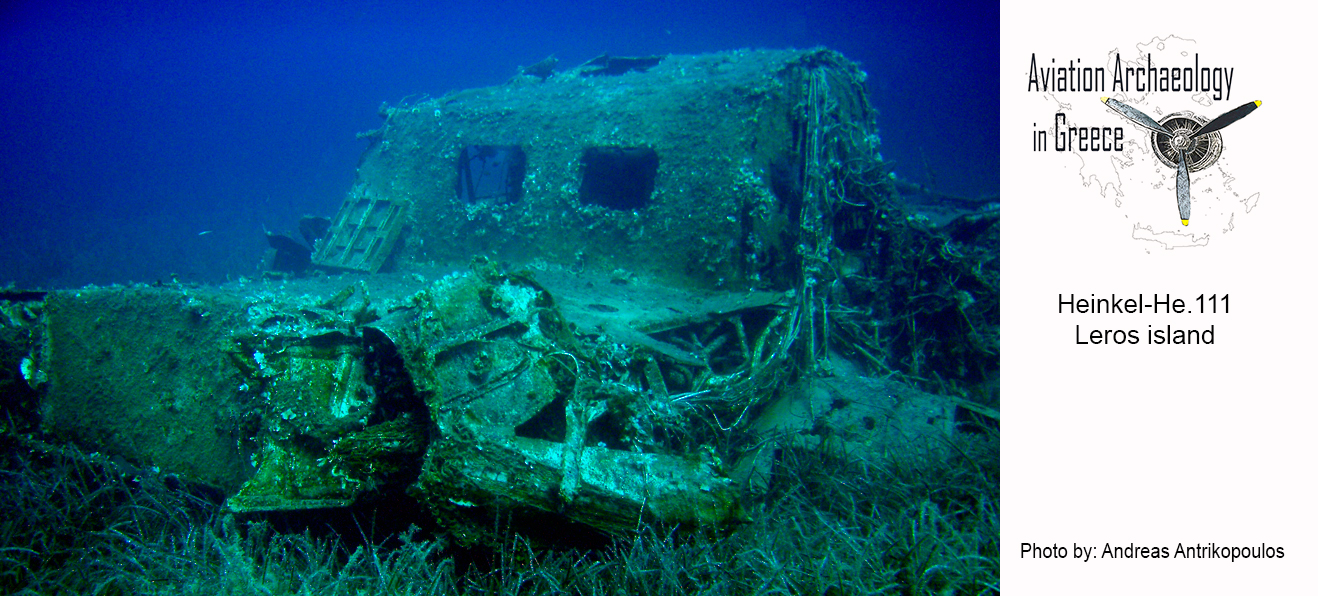
Heinkel-He.111Leros Island

Aviation Archaeology in Greece


Under Construction….

Aviation archaeology Greece


Junkers – Ju 52 Maleme – Crete

Aviation Archaeology in Greece


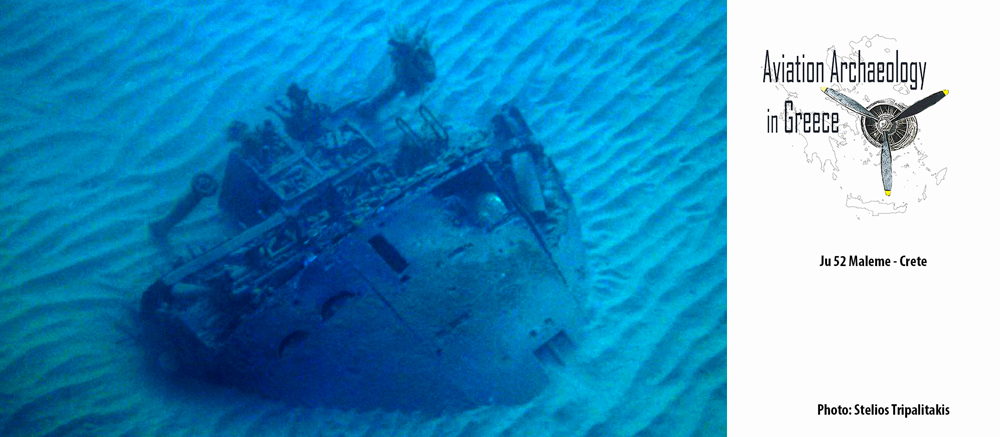
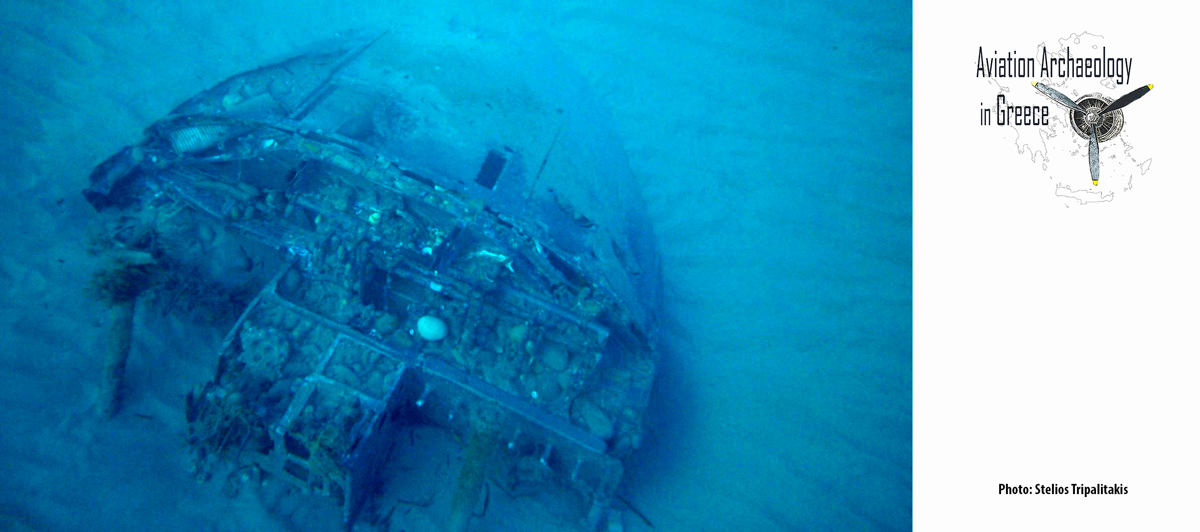
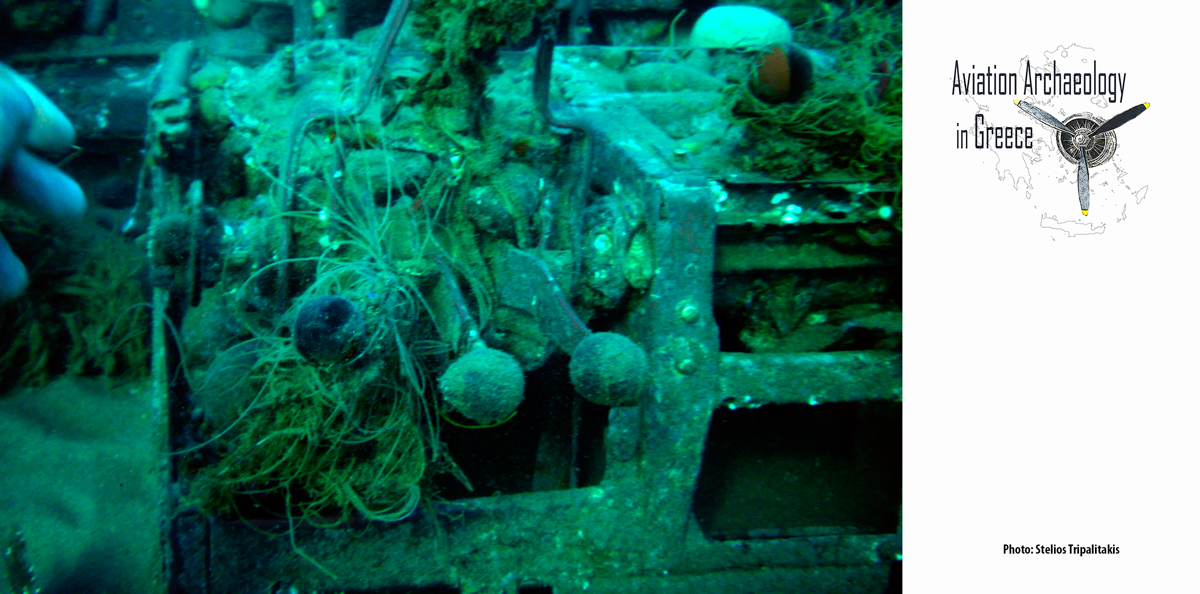
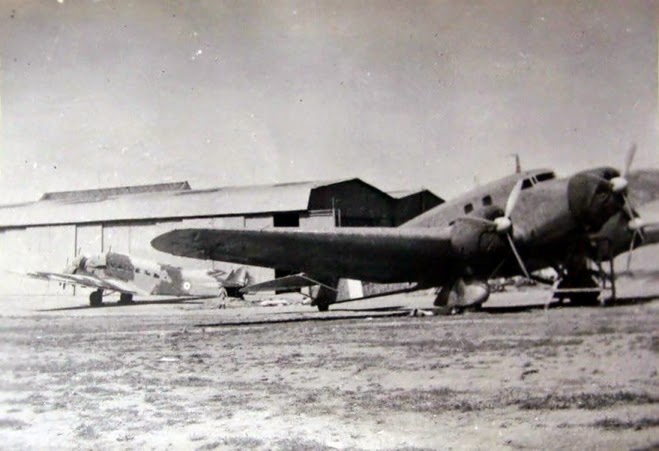
Συντρίμμια αεροσκάφους Ju52 βρέθηκαν στη θαλάσσια περιοχή του Μάλεμε στα Χανιά. Τα συντρίμμια βρίσκονται κοντά στην ακτή, διάσπαρτα σε ακτίνα 150 μέτρων.

Aircraft debris (Junkers 52) found in the sea area of Maleme, Chania. Shot down during the Battle of Crete, 1941.

 

aviation-archaeology-maleme_Crete


aviation-archaeology-maleme_Crete1

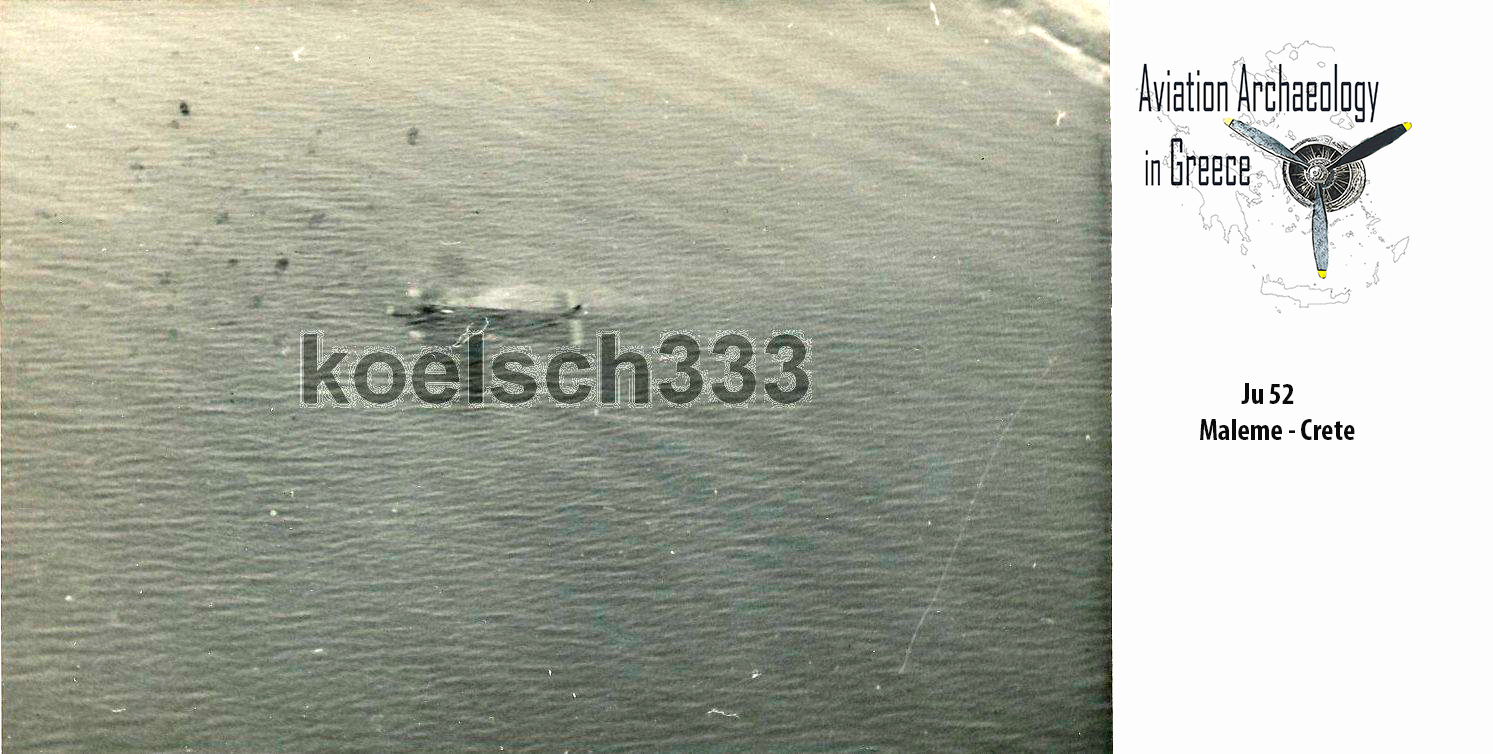
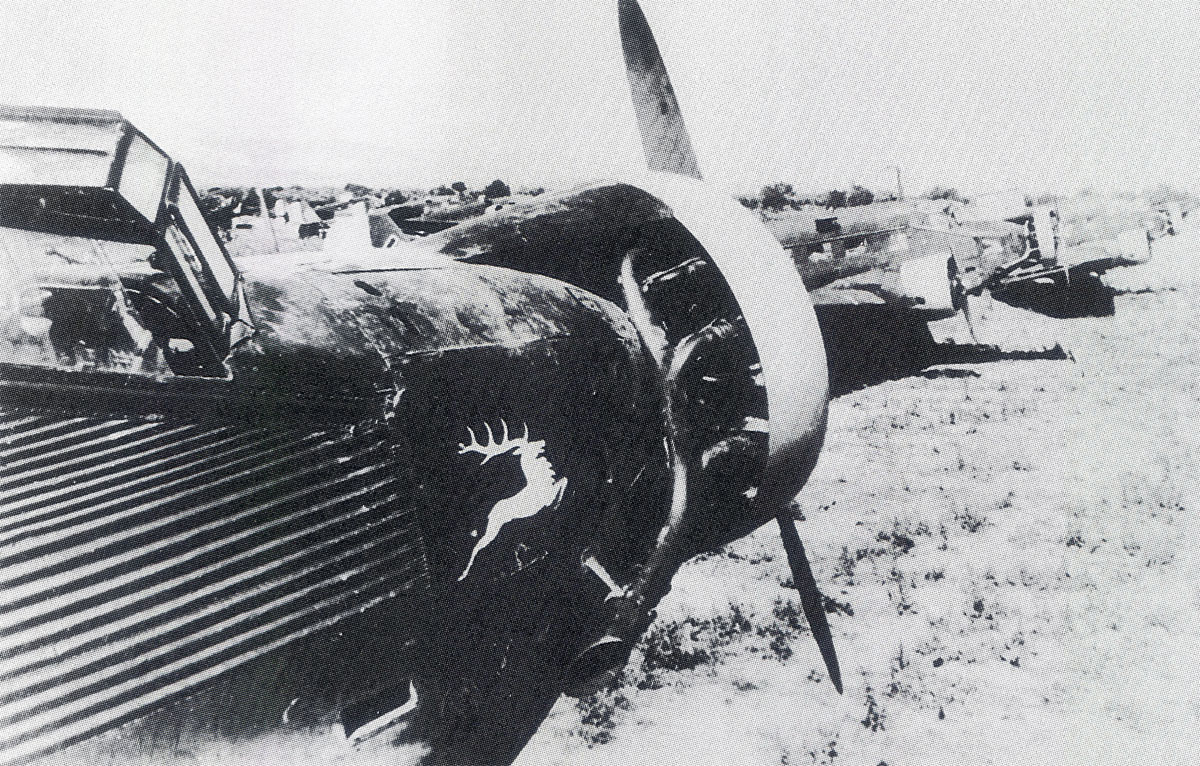
 Τα συντρίμμια προέρχονται από το Ju52 (φωτο) το οποίο είχε προσθαλασσωθεί στην περιοχή στη διάρκεια της Μάχη της Κρήτης. 
Debris derived from the Ju52 (photo) which was ditching in the sea area of Maleme during the Battle of Crete.
aviation-archaeology-maleme_Crete-Ju52-_1
Προσθαλάσσωση Ju-52 στην περιοχή Μάλεμε, Χανιά Ditching Ju-52, Maleme Crete – 1941


Μετά τον πόλεμο το αεροπλάνο διαλύθηκε με αποτέλεσμα να έχουν απομείνει στην ευρεία περιοχή διάσπαρτα μικρά μέρη του αεροσκάφους.

aviation-archaeology-maleme_Crete-Ju52


enlish flag Aircraft debris (Junkers 52) found in the sea area of Maleme, Chania. Shot down during the Battle of Crete, 1941.

The Ju 52/3m with a 19 meters length and wing area 110m2, was operated by the German Luftwaffe as a troop and cargo transport aircraft, medium bomber, could carry goods weighing two tons or 18 soldiers.
The Junker 52 in 17 variations, was the main transport aircraft of the Germans during WW II.


Ju-52 at  Kalamaki

Ju-52 at Kalamaki – Greece

The Ju52 was used for dropping paratroopers in the Battle of Crete in 1941 , the first major paratroopers enterprise in history, and in the battle for the conquest of Leros in 1943.

Unternehmen-Merkur-Junkers-Ju-52-3mg4e-KGrzbV106-on-Maleme-AF-Crete-1941-01

Unternehmen Merkur-Junkers Ju-52-3mg4e-KGrzbV106 on Maleme,Crete 1941


It is estimated that in the Battle of Crete alone 370 aircraft were shot down.

During this period, 1941 – 1943, 175 aircrafts of Junker 52 units operating in Greece have been lost or destroyed.

Aerial Bomb AN-M64

Aviation Archaeology in Greece


Έρευνα – Επιμέλεια κειμένου: Νίκος Καρατζάς


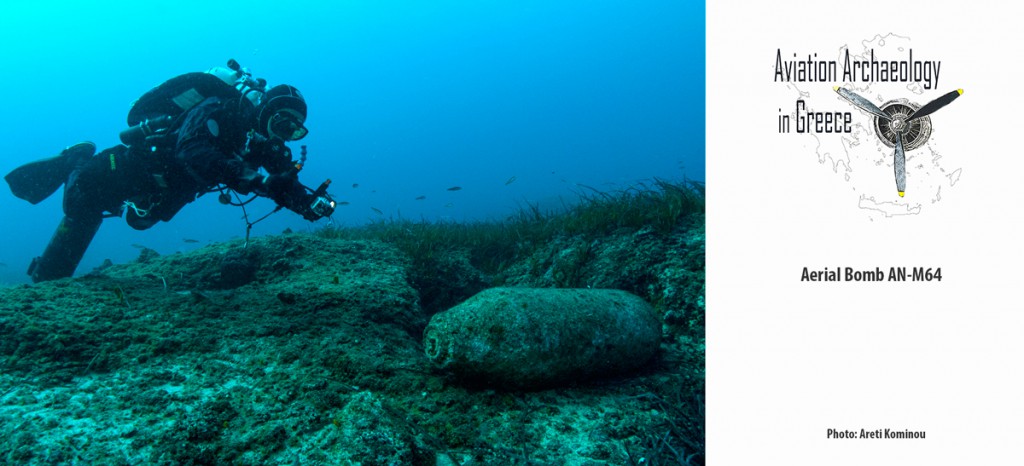
Greek flag Στη διάρκεια ερευνητικών καταδύσεων στα «Ναρκοπέδια Σαρωνικού» εντοπίστηκαν νότια της νησίδας Πατρόκλου (Γαϊδουρονήσι) δυο βόμβες ΑΝ-Μ64, τύπου G.P.(General Purpose) αμερικάνικης κατασκευής. Από τις βόμβες έχει αποκολληθεί το ουραίο τμήμα το οποίο και εντοπίστηκε σε κοντινή απόσταση.
Aviation Archaeology Greece _aquatec.gr


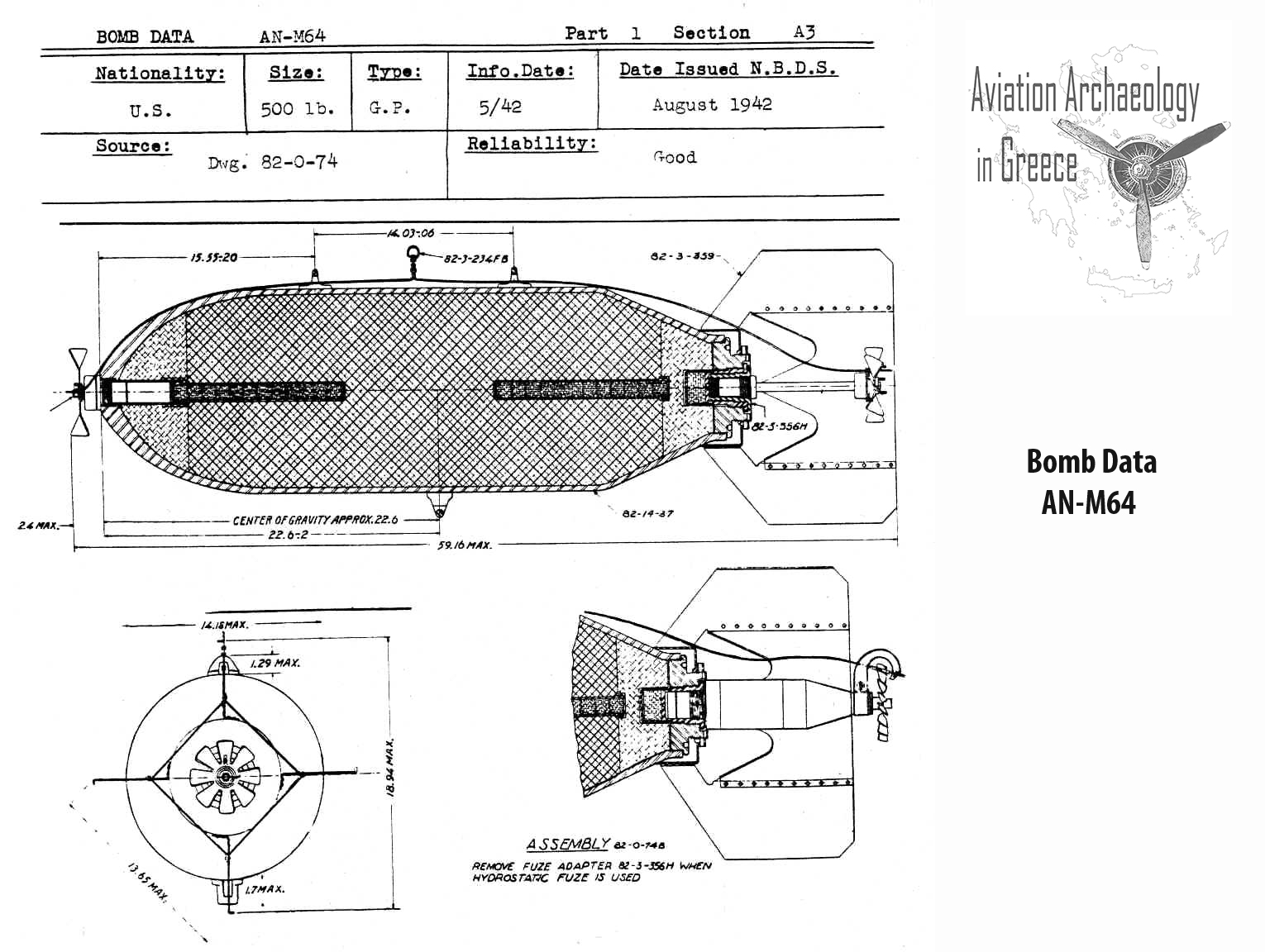
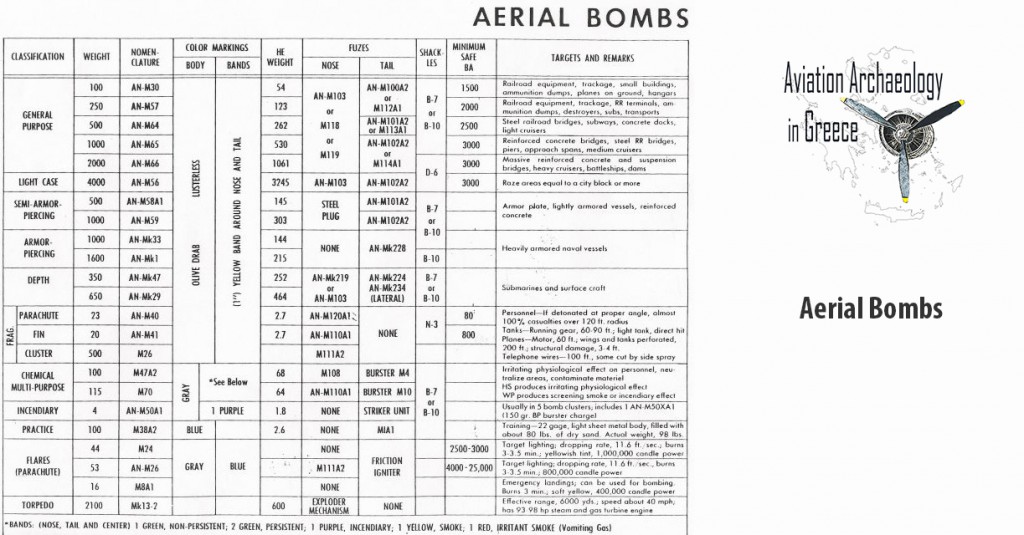
Οι AN-M64 χρησιμοποιήθηκαν σαν βόμβες γενικής χρήσης 500lb, με εκρηκτικό φορτίο που αποτελούνταν από 267 lbs TNT ή 274 lbs “Σύνθεση Β”. Ήταν βαμμένη σε χρώμα χακί με μια κίτρινη ρίγα για τη σήμανση του κέντρου βάρους.

Aviation Archaeology Greece _aquatec.gr

Το ελάχιστο ασφαλές ύψος ρίψης ήταν τα 2500 πόδια. Στα έγγραφα της USAAF αναφέρεται η χρήση της AN-M64 σε στόχους όπως σιδηροδρομικές γραμμές, γέφυρες, μικρά σκάφη, αποβάθρες.

M64-bombdata

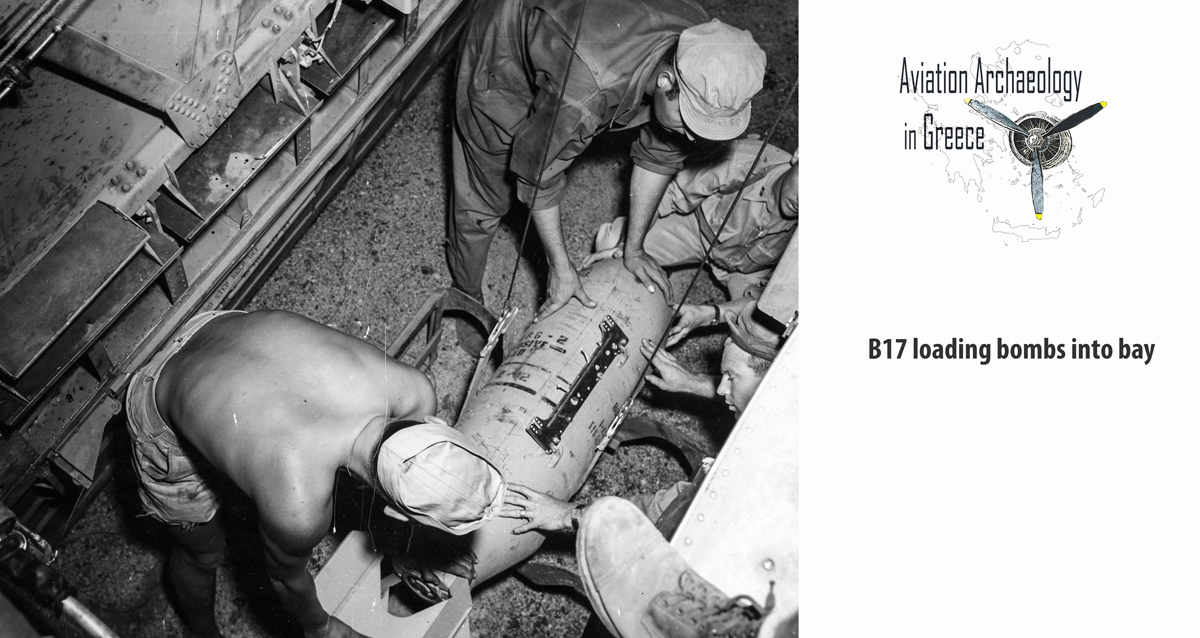
Βόμβες ΑΝ-Μ64 έφεραν βομβαρδιστικά αεροσκάφη τύπου Β-17, Β-24 καθώς και Β-26 Marauder.

b17-loading-bombs-into-bay-

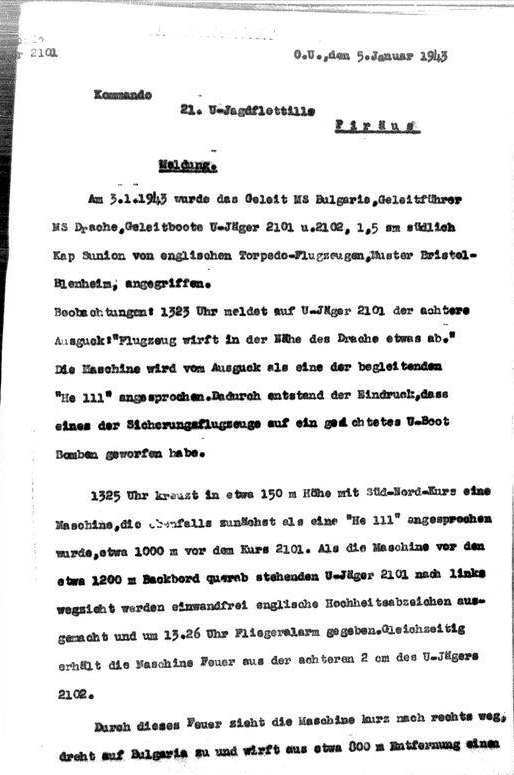
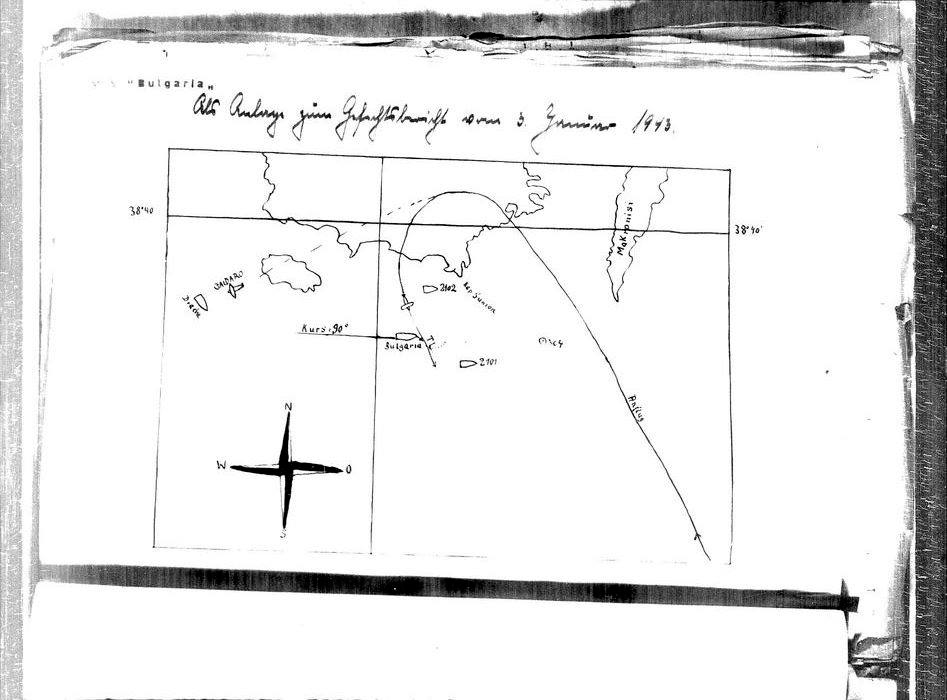
Από τα αρχεία βρέθηκαν δυο επιθέσεις αμερικάνικων αεροσκαφών εναντίον γερμανικών στόχων που να δικαιολογούν την παρουσία των βομβών στο σημείο. Η πρώτη επίθεση προέρχεται από το Ημερολόγιο Πολέμου της 21. U_Jägerflottille και αναφέρεται στον βομβαρδισμό των πλοίων BULGARIA και DRACHE στα νότια του Σουνίου από αεροσκάφη Bristol Blenheim την 3.1.1943.

Από τα αρχεία του German Naval Group Command South αναφέρεται επίθεση από αεροσκάφη Vikers Welligton 
ενώ άλλη αναφορά σαν αεροσκάφη επιδρομής αναφέρονται τα B-26 Marauder όπου στην συγκεκριμένη επιδρομή καταρρίφθηκε 
το Β-26 FK375/D ‘Dominion Revenge’ c/n 41-7396. https://aviationarchaeology.gr/?p=196

report


Aviation Archaeology Greece


Η δεύτερη αναφέρεται σε επιδρομή βομβαρδισμού του Λιμένα Πειραιώς και του αεροδρομίου Χασάνι στις 17.11.1943 από Β-17 με πορεία προς το στόχο επάνω από το Λαγονήσι και εγκατάλειψη επάνω από την Πελοπόννησο.

Καταδυτική ομάδα:

  • Αρετή Κομηνού
  • Τάσος Χατζηλιάδης
  • Παναγιώτης Βλέτσας
  • Τάσος Τσαλαβούτας
  • Κώστας Μιχάλαινας
  • Γιώργος Κολίκης
  • Αποστόλης Κυπραίος
  • Νίκος Καρατζάς


enlish flagThe American version of the 500 lb general purpose bomb was the AN-M64. It’s explosive charge consisted of either 267 lbs of TNT, 262 lbs of Amatol, or 274 lbs of Composition B. The AN-M64 was painted olive drab with a 1″ yellow stripe marking the center of gravity, with a stripe around the nose and rear of the bomb. It was 57″ long and 14″ in diameter with a 0.3″ thick steel casing.
The minium safe drop altitude listed for the AN-M64 was 2500 feet. USAAF documentation listed target examples of: „Steel railroad bridges, subways, concrete docks, light cruisers“.

aerial-bombs

http://www.303rdbg.com/bombs.html

The General Purpose (GP) bombs used in the early missions were fitted with quarter second delay tail fuses with an extra tenth of a second fuse in the nose. In a report in December 1942, after the raid on Lille, it was calculated that 30 percent of the bombs dropped had failed to explode
because the arming mechanisms had frozen up after being exposed the damp conditions on the airfields overnight. Standard Operating Procedure was soon changed so that fuses were installed just before take off. Eventually, to avoid accidents in landing, fuses were to be inserted only when the bombs
were securely fixed into the aircraft.

Saronic 13_12_2015
In 1943, a new set of GP bombs were produced: the M57 250lb, M64 500lb, M65 1000lb and M66 2000lb. These accounted for most of the bombs dropped in the final year of the war. In January 1945, experts recommended 250lb GP bombs to be used against synthetic oil plants,
ammunition dumps and oil storage facilities. the 100lb bomb was recommended for attacking railway yards and runways.

The team:

  • Areti Kominou (photos)
  • Nikos Karatzas
  • Tasos Hatziliadis
  • Panagiotis Vletsas
  • Tasos Tsalavoutas
  • Kostas Michalenas
  • Tolis Kipreos
  • George Kolikis


B-24 Liberator Losses in Greece 1942-1945

Aviation-Arcaeology-logo


Research: Manolis Bardanis
info@naxosdiving.com


enlish flag The list refers to aircraft type Liberator B-24 which lost in the Greek territory and its limits. The collection of data was based on documents from several Missing Air Crew Reports (MACR), and Operational Record Books (ORB) of the RAF, SAAF and USAAF, as well as additional information from the internet and the literature mentioned below.
Where it was possible information cross checked with claims by German pilots, whose names and units belonging are recorded in the list.
Perhaps the list is not complete and any new information that arises will be added to it.
Certainly some mistakes are inevitable and hopefully instructions and data from the reader will help to identify and correct.

Losses relating to aircraft of the following units:
RAF: 40Sqn, 160Sqn, 178Sqn. 214Sqn.
SAAF: 31Sqn, 34Sqn.
USAAF: 8thAF/44BG/67BS, 8thAF/389BG/567BS, 9thAF/93BG/329BS, 9thAF/98BG/343BS, 9thAF/98BG/415BS, 12thAF/376BG/512BS,
12thAF/376BG/513BS, 12thAF/376BG/514BS, 15thAF/376BG/514BS, 15thAF/461BG/767BS, 15thAF/485BG/829BS.

b24-liberator

Επιμέλεια: Μανώλης Μπαρδάνης
info@naxosdiving.com

Greek flagΟ κατάλογος αφορά σε αεροσκάφη τύπου B-24 Liberator που απωλέσθηκαν στην Ελληνική επικράτεια.
Η περισυλλογή των στοιχείων βασίστηκε στα ΑΒ serials στα Operational Record Books (ORB) και σε αρκετές πληροφορίες από το διαδίκτυο και την βιβλιογραφία που αναφέρεται.

Επίσης όπου ήταν δυνατόν οι πληροφορίες διασταυρώθηκαν με τις καταρρίψεις που φέρονται να έκαναν οι Γερμανοί πιλότοι, τα ονόματα των οποίων καθώς και οι μοίρες που ανήκαν, μαζί με κάποια ακόμη στοιχεία καταγράφηκαν στον κατάλογο.
Πιθανόν ο κατάλογος να μην είναι πλήρης και κάθε νέα πληροφορία που θα προκύπτει θα προστίθεται σε αυτόν.
Οπωσδήποτε κάποια λάθη είναι αναπόφευκτα και ευελπιστούμε σε υποδείξεις και στοιχεία από τον αναγνώστη προκειμένου να εντοπιστούν και να διορθωθούν.

Συνοπτικά οι απώλειες αφορούν σε αεροσκάφη των μοιρών:

RAF: 40Sqn, 160Sqn, 178Sqn. 214Sqn.
SAAF: 31Sqn, 34Sqn.
USAAF: 8thAF/44BG/67BS, 8thAF/389BG/567BS, 9thAF/93BG/329BS, 9thAF/98BG/343BS, 9thAF/98BG/415BS, 12thAF/376BG/512BS,
12thAF/376BG/513BS, 12thAF/376BG/514BS, 15thAF/376BG/514BS, 15thAF/461BG/767BS, 15thAF/485BG/829BS.

H εργασία σε μορφή PDF

PDF file                                                                          B-24-Liberator-losses-in-Greece-1942-1945

Arado Ar 196, Aegean Sea

Aviation-Arcaeology-logo


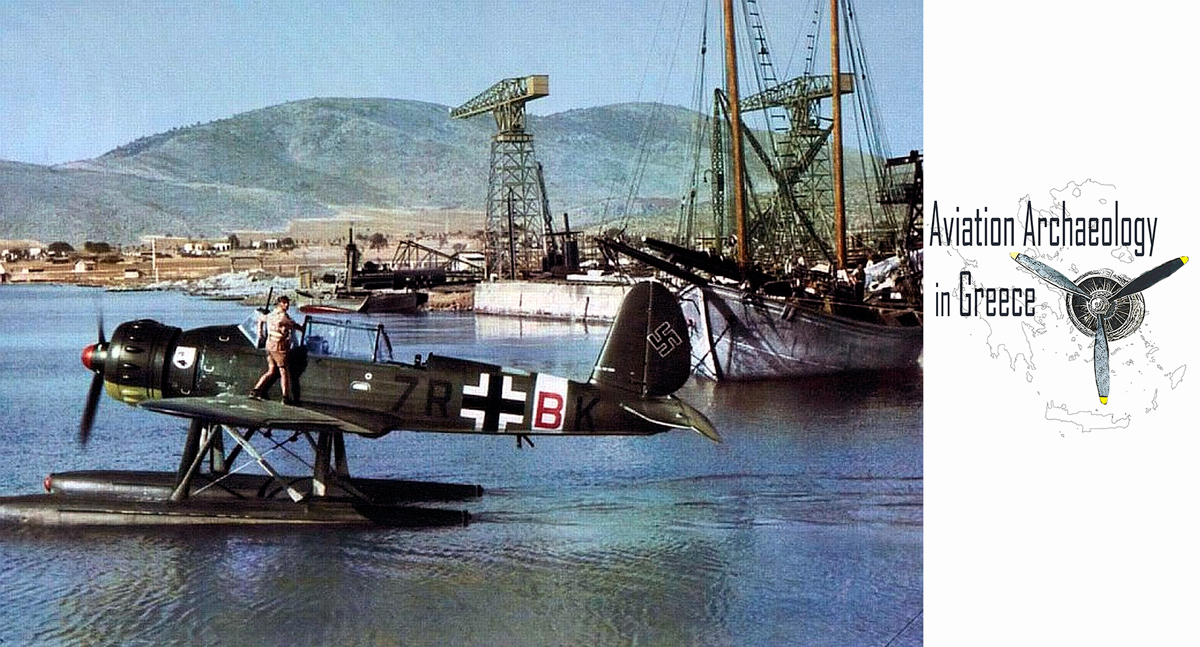
Γερμανικό αεροσκάφος Arado Ar196 το οποίο χάθηκε στις 28 Φεβρουαρίου 1944, „πιάστηκε“ στα δίχτυα ψαράδων σε βάθος 480 μέτρων στα νερά του Αιγαίου μεταξύ Νάξου και Ικαρίας. Σύμφωνα με το βιβλίο του Βύρωνα Τεζαψίδη  „The German Luftwaffe in Greece in World War II“ το αεροσκάφος πραγματοποίησε αναγκαστική προσγείωση μετά από μηχανική βλάβη κοντά στο νησί της Ικαρίας όπου και βυθίστηκε.

Aviation-Archaeology-Arado-_piraeus-port

An Arado Ar 196 at the port of Piraeus (Skaramangas), Greece


By Pierre Kosmidis

 enlish flag

An Arado Ar 196 lost in 1944, recovered from a depth of 480 metres in the Aegean Sea, Greece
ARADO

Arado Ar 196 seaplane

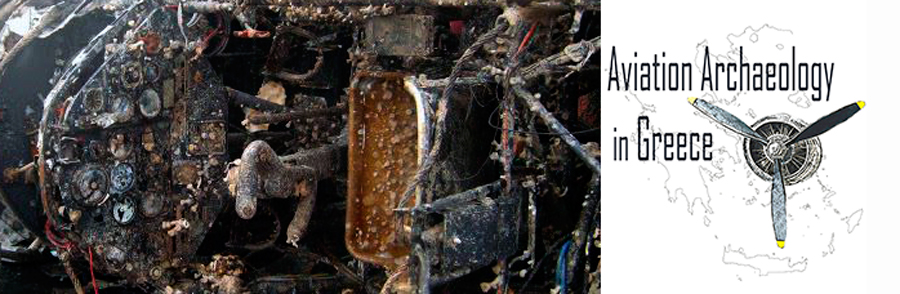
A German Arado Ar 196 seaplane, which was lost on February 28, 1944, at a depth of about 480 meters between Naxos and Ikaria islands in the Aegean Sea, Greece, was the unexpected catch of a fishing boat, the „Fearless II“.

Arado-196-

The cockpit, instruments and pilot’s seat

Surprisingly, Thanasis Sorokos the captain of the trawler found that something heavy was entangled in their nets.

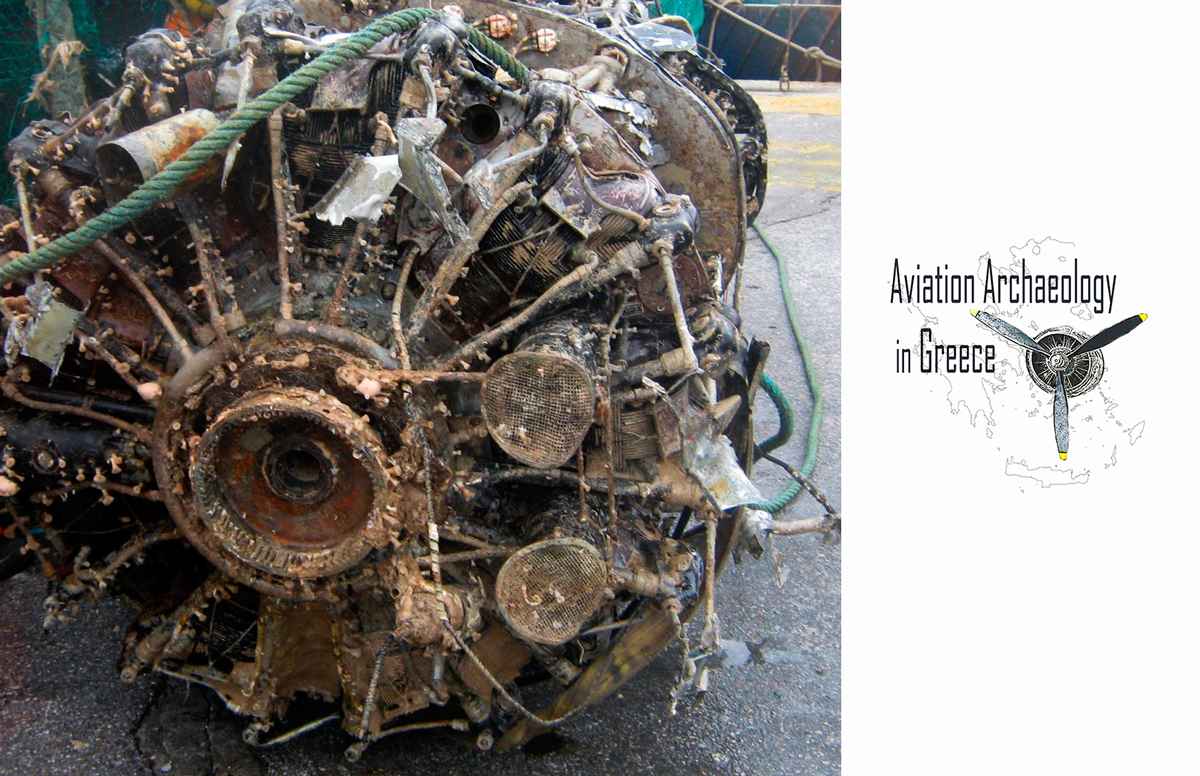
When raised, they found that part of the fuselage, the engine and a wing of the seaplane, with the German cross still visible, returned from the abyss of the Aegean, carrying nuggets of the dramatic history of the Second World War as it unfolded in Greece.

Aviation-archaeology-greece-_-Arado

The engine of the aircraft, still leaking oil, after 70+ years at sea

The identity of the airplane was confirmed thanks to the strenuous efforts of a distinguished researcher and writer. 

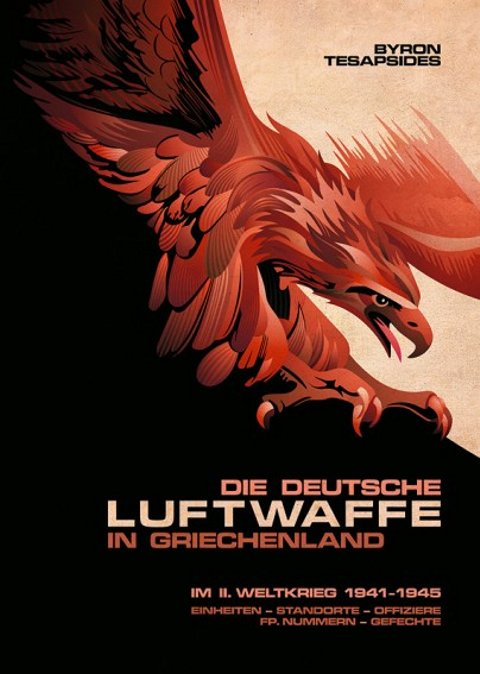
According to Byron Tesapsides, who published his book „The German Luftwaffe in Greece in World War II“, an Arado 196 made ​​an emergency water landing due to mechanical damage and later sank close to the island of Ikaria. 

byron_-_luftwaffe

The German Luftwaffe in Greece in World War II


                                          This is the only reference in German seaplane records for loss of that type, so it is highly likely that it is the No. 216 model A3

Arado Ar 196: 526 built, 3 survive today

Just three Arado Ar 196 are preserved until today from the 526 that came off the production line.

Two are exhibited in the US and one in Bulgaria, an ally of the nazis during the Second World War.

In Greece Arados were mainly used for reconnaissance and convoy cover in the Aegean. The most notable success was the capture of a British submarine, the HMS Seal, in the North Sea near Denmark in 1940.

Arado-196-_2

The Arado Ar 196 is currently waiting patiently for its restoration at the Hellenic Air Force Museum, Tatoi, Athens

Aircraft Engines – Crete

Aviation-Arcaeology-logo


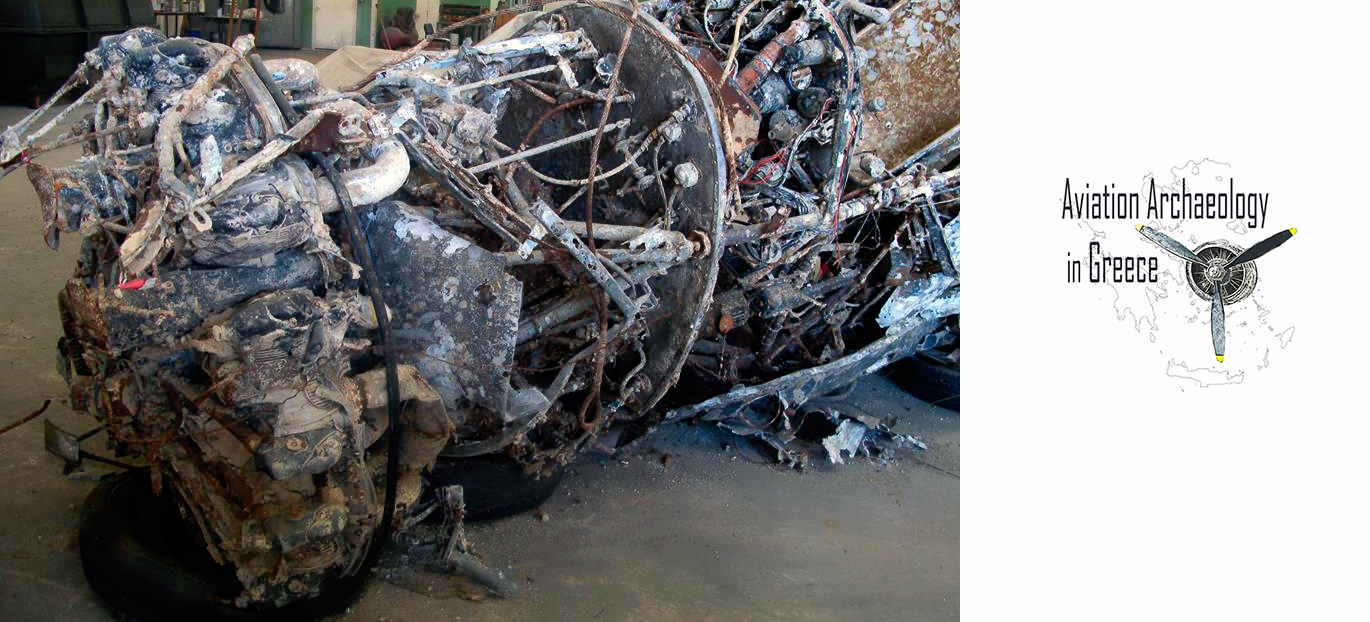
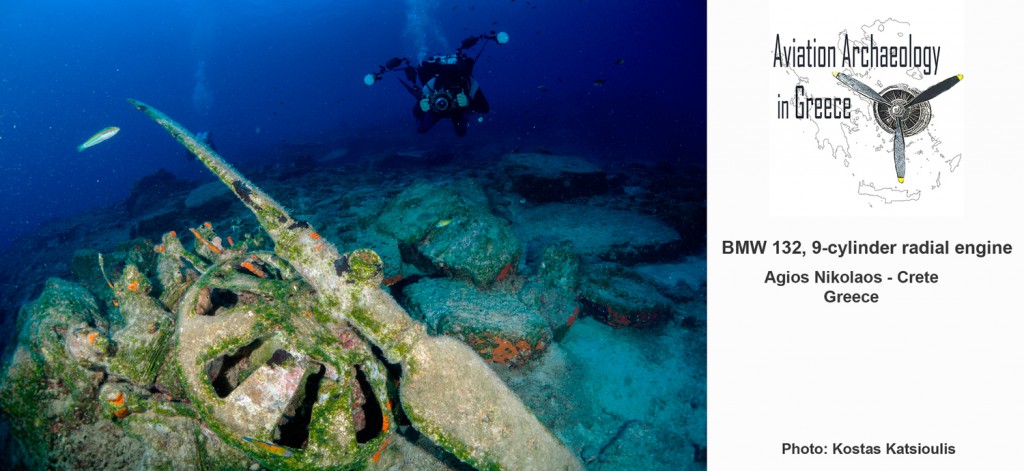
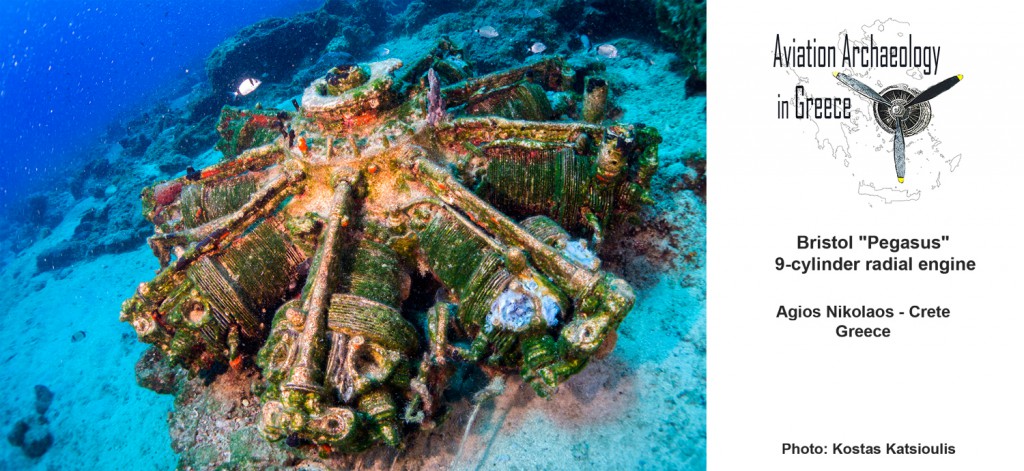
Οι κινητήρες βρίσκονται στον Άγιο Νικόλαο – Κρήτη, σε μικρή μεταξύ τους απόσταση και σε βάθος 20 μέτρων. Η φωτογραφική αποτύπωση πραγματοποιήθηκε από την ομάδα NGUE ενώ η ταυτοποίηση από τους Μανώλη Μπαρδάνη και Νίκο Καρατζά.

Ο πρώτος πρόκειται για κινητήρα BMW 132 radial 9 cyl, από τους βασικούς τύπους κινητήρα που υποστήριζαν τα αεροσκάφη Junkers 52. Ο δεύτερος κινητήρας πιθανολογείται ότι πρόκειται για Bristol Pegasus. Κινητήρα Bristol Pegasus φέραν πολλά συμμαχικά αεροσκάφη όπως επίσης και κάποια Ju 52 στους κινητήρες πτερυγίων.

Στην ευρύτερη περιοχή δεν υπήρχαν υπόλοιπα συντρίμμια αεροσκάφους. Αυτό ενισχύει το σενάριο ότι οι κινητήρες βρέθηκαν στο σημείο μετά από απόρριψη (φερτά).


BMW-132T-2-web


Bristol

Bristol Beauforts Mk.IΙ – Kefalonia island

Aviation-Arcaeology-logo


Bristol Beauforts Mk.IΙ – Kefalonia island

Text in English – PDF format


Επιχείρηση «VettorPisani» – 24 Ιουλίου 1942

Ο στόχος  

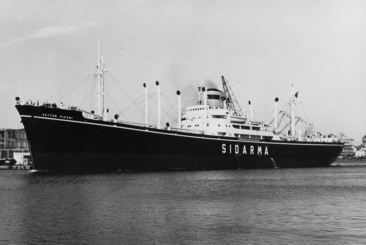
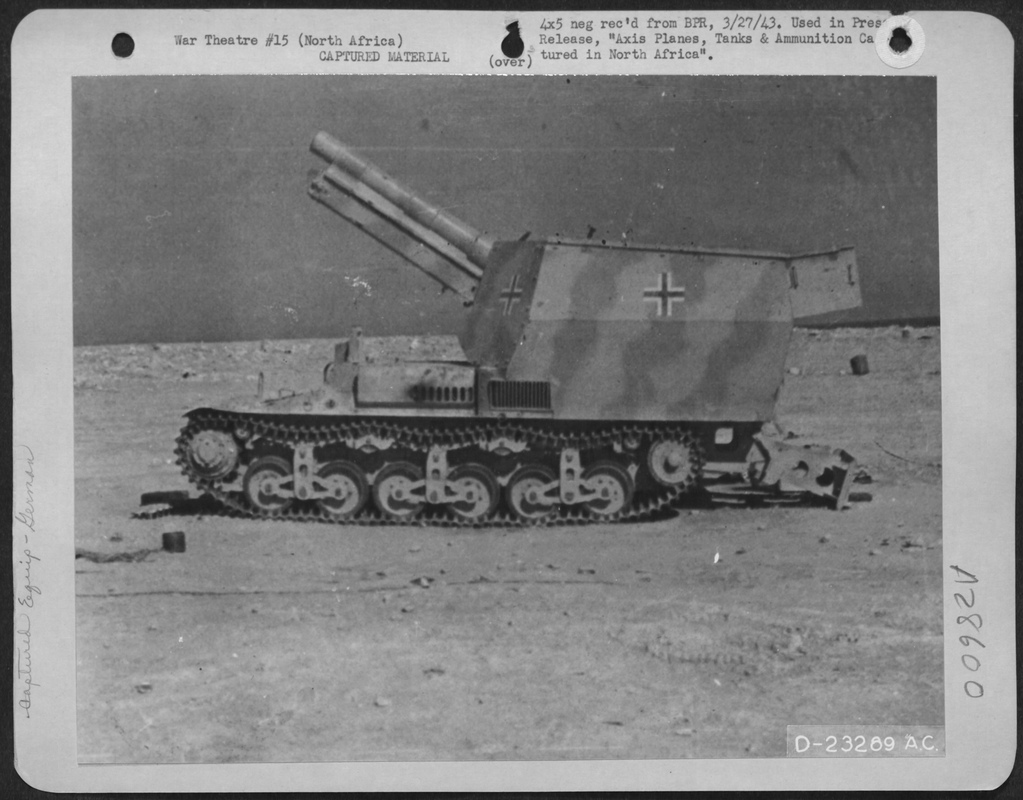
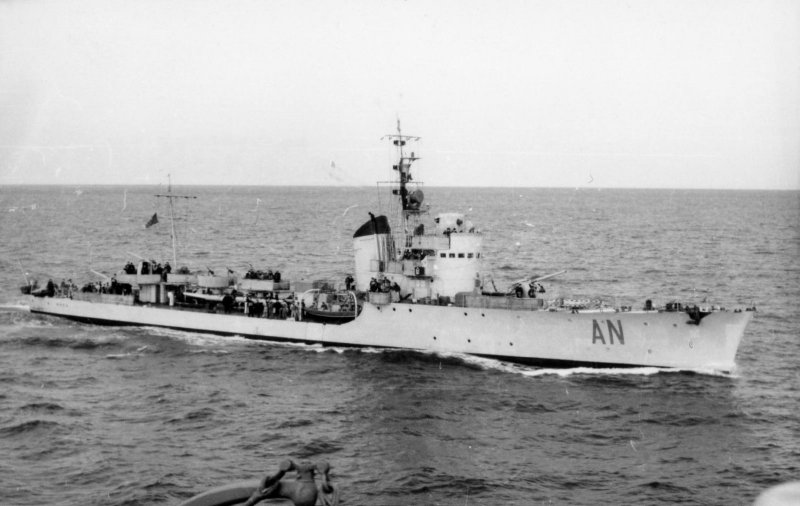
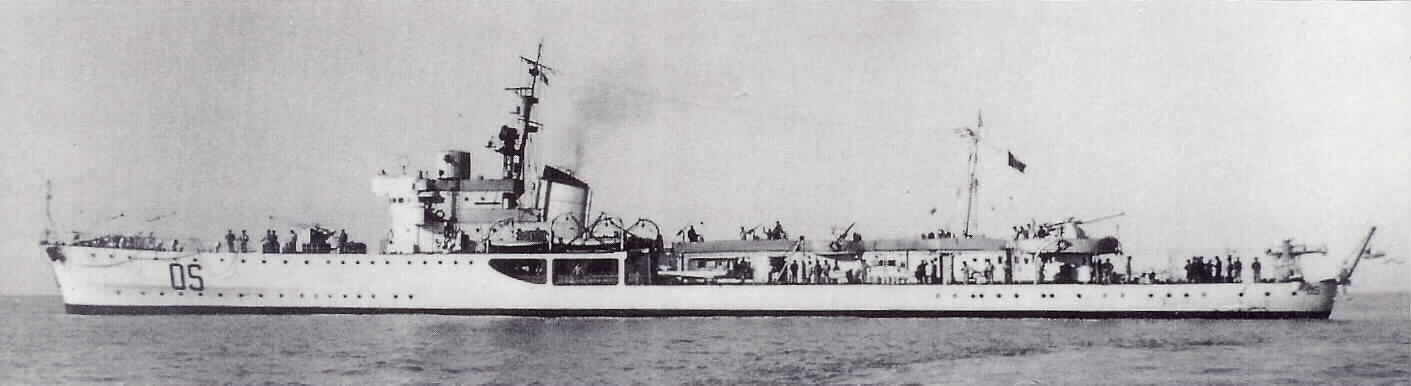
Στις 23 Ιουλίου 1942 το ιταλικό πετρελαιοκίνητο φορτηγό «Vettor Pisani» (ολική χωρητικότητα: 6.339 τ. ναυπηγημένο το 1939), με τη συνοδεία των τορπιλοβόλων «Antares» και «Calliope» και του αντιτορπιλικού συνοδείας «Orsa» του Ιταλικού Βασιλικού Ναυτικού (Regia Marina), αναχωρεί από τον Τάραντα της Ιταλίας με προορισμό το λιμένα του Τομπρούκ στη Λιβύη (Βόρεια Αφρική). Στο φορτίο περιλαμβάνονται και τρία οχήματα «Lg.s.F.H.13 (Sfl.) auf Lorraine-Schlepper» από τα 30 πρώτα που κατασκευάστηκαν το 1942 για να χρησιμοποιηθούν αποκλειστικά από το Deutsches Afrika Korps (DAK) σε ιδιαίτερες επιχειρήσεις στη Βόρεια Αφρική.

Vettor Pisani 26-8-1939 museocantieristica 3298 foto

Italian m/v «Vettor Pisani» (1939-1971)

SdKfz Lorraine (Afrika Korps)

Lg.s.F.H.13 (Sfl.) auf Lorraine-Schlepper (N.Africa 1942)


Αναμετρήσεις υποκλοπών

Τις πρώτες πρωινές ώρες της 24ης Ιουλίου και έπειτα από πληροφορίες προερχόμενες από τη βρετανική υπηρεσία αποκωδικοποίησης ULTRA (αναφορές σε χρόνους 1701/22 και 0023/23), το φωτοαναγνωριστικό αεροσκάφος Spitfire QZ7J της Νο.69 Μοίρας εντοπίζει τη νηοπομπή στα ανοιχτά της Κεφαλλονιάς στις 1:40. Μετά από υποκλοπή των ραδιοεκπομπών του αναγνωριστικού, η ανώτατη διοίκηση του ιταλικού ναυτικού («Supermarina») εκδίδει συναγερμό «PAPA» (Precedenza Assoluta sulla Precedenza Assoluta, δηλαδή απόλυτης προτεραιότητας) στις 2:10 για εντοπισμό της νηοπομπής. Ακολουθούν διαδοχικές εκπομπές και από άλλο αναγνωριστικό και αντίστοιχοι συναγερμοί ΡΑΡΑ από τις 2:35, μέχρι τις 7:30, όμως για τη νηοπομπή είναι πλέον αργά.

Antares (AN) torpedo boat (1936-1943)

Antares (AN) torpedo boat (1936-1943)

Orsa (OS) destroyer escort (1936-1964)

Orsa (OS) destroyer escort (1936-1964)


Εντοπισμός  

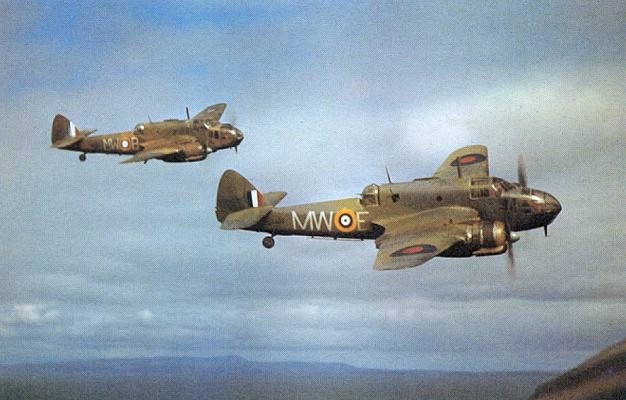
Στις 7:30 έξη βρετανικά Beauforts χωρισμένα σε δύο σχηματισμούς με τρία αεροσκάφη της Νο.86 Μοίρας της RAF υπό τον S/Ldr James Robert Hyde και τρία της Νο.217 υπό τον F/Lt Stevens απογειώνονται από τη Μάλτα με φορτίο τορπιλών, συνοδευόμενα από οκτώ Beaufighters της Νο.235 Μοίρας τα οποία με τα πυροβόλα των 20mm θα παρέχουν κάλυψη από εχθρικά καταδιωκτικά. Έπειτα από μακρά πτήση επάνω από το Ιόνιο, η νηοπομπή εντοπίζεται στις 9:30 σε θέση 10 μίλια σε διόπτευση 240 μοιρών από το ακρωτήριο Γερογόμπος, στη θέση 38,05Β 20,12Α.


Beaufort No.86 Sqn RAF, 15-6-1942

Bristol Beaufort MkII No.86 Squadron RAF, 15-6-1942

Beauforts No.217 Sqn RAF

Bristol Beauforts No.217 Squadron RAF

Η επιδρομή

Τα συμμαχικά αεροσκάφη προσεγγίζουν τη νηοπομπή σε πυκνό σχηματισμό «V» σε ύψος 100 μέτρων. Σε απόσταση δύο μιλίων από το στόχο αντιαεροπορικά πυρά τα υποδέχονται και επιτυγχάνουν άμεσο πλήγμα στο αεροσκάφος του επικεφαλής Hyde, με αποτέλεσμα αυτό να ανατιναχθεί εν πτήση και θραύσματα από αυτό να βλάψουν και δεύτερο αεροσκάφος. Δευτερόλεπτα αργότερα πλήττεται και το τρίτο αεροσκάφος του σχηματισμού της Νο.86 Μοίρας, το οποίο δέχεται πλήγμα στον αριστερό κινητήρα, παίρνει το δρόμο της επιστροφής αλλά με το δεύτερο κινητήρα να αδρανεί προσκρούει στη θάλασσα σε απόσταση 2-3 μιλίων από τον στόχο. Μέσα σε λίγα λεπτά οι ρόλοι φαίνεται πως ανατρέπονται και οι κυνηγοί γίνονται θηράματα..

Όμως η επιδρομή συνεχίζεται. Υπό την κάλυψη των Beaufighters τα εναπομείναντα τρία Beauforts της Νο.217 Μοίρας εξαπολύουν τις τορπίλες τους, επιτυγχάνοντας δύο εύστοχα πλήγματα στο εμπορικό πλοίο χωρίς άλλες απώλειες για τον σχηματισμό. Παρατηρείται έκρηξη, σκοτεινός καπνός και κοκκινωπή λάμψη: το «Vettor Pisani» αν και βαριά πληγωμένο, δεν βυθίζεται αλλά ρυμουλκείται και προσαράζει στον κόλπο Αργοστολίου. Την επόμενη ημέρα μετά από νέα επιδρομή της RAF, βομβαρδίζεται και καταστρέφεται ολοσχερώς από πυρκαγιά. Η επιτυχία της επιδρομής επιβεβαιώνεται από την υπηρεσία ULTRA με την αναφορά σε χρόνο 1051/24.

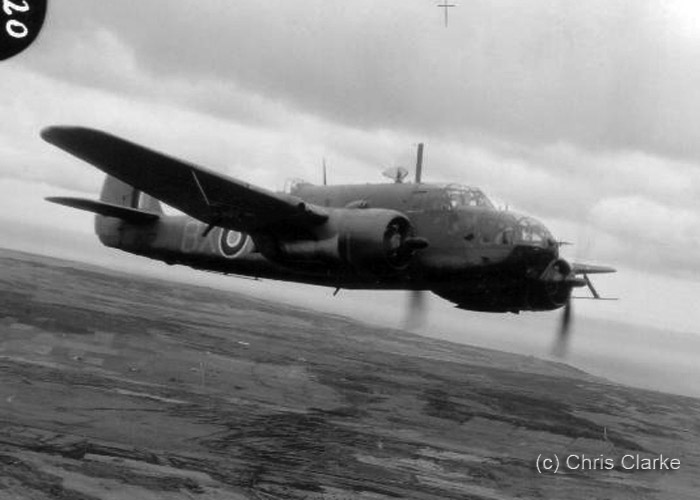
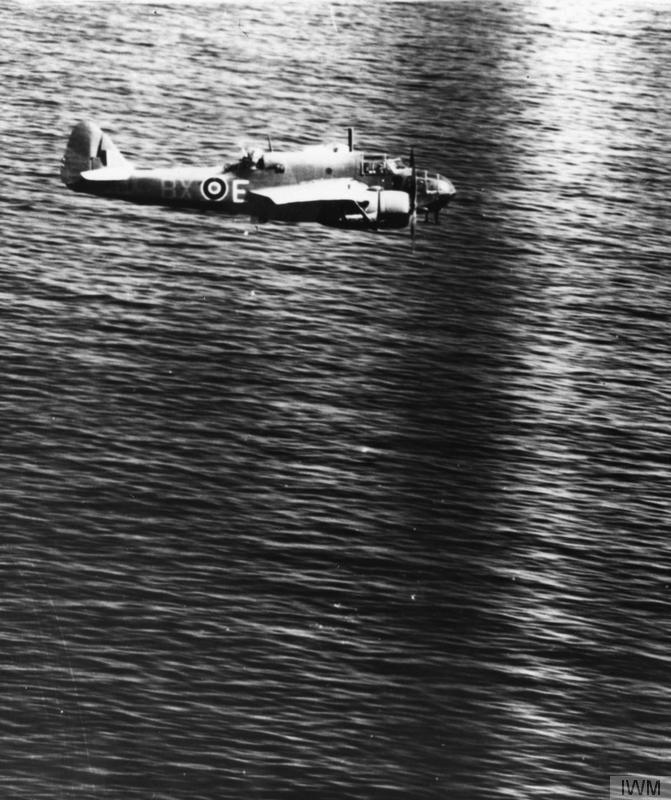
Beaufort MkII No.86 Sqn RAF, August 1942

Bristol Beaufort MkII κατά τη διάρκεια πτήσης χαμηλού ύψους σε επιδρομή εναντίον πετρελαιοφόρου πλοίου στο Ιόνιο πέλαγος, τον Αύγουστο 1942 (το συγκεκριμένο αεροσκάφος διατηρεί ακόμη τα αναγνωριστικά της Νο.86 Μοίρας «BX» απόσπασμα της οποίας με βάση τη Μάλτα, ενσωματώθηκε στην Νο.39 Μοίρα την ίδια περίοδο).

Επίλογος

Μέχρι το 1951 το «Pisani» αναπαυόταν πληγωμένο σε μικρό βάθος στις δυτικές ακτές του κόλπου Αργοστολίου, οπότε ανασύρθηκε και ρυμουλκήθηκε στην Ιταλία, ανακατασκευάστηκε και χρησιμοποιήθηκε έως το 1971. Ωστόσο η θυσία των αεροσκαφών και των πληρωμάτων τους στέρησε από τις δυνάμεις του άξονα τις υπηρεσίες ενός ακόμα πλοίου όταν το χρειάζονταν περισσότερο και ο Έρβιν Ρόμελ δεν έλαβε ποτέ το τόσο πολύτιμο γι’ αυτόν φορτίο του.

Απώλειες της RAFστις 24-7-1942 στη νοτιοδυτική Κεφαλονιά

1. Bristol Beaufort Mk.II «AW355/G» (Νο.86 Sqn RAF), S/Ldr James Robert Hyde

2. Bristol Beaufort Mk.II «AW308/H» (Νο.86 Sqn RAF), P/O D. L. Furphy

3. Bristol Beaufort Mk.II «AW356/Z» (Νο.86 Sqn RAF), F/Sgt L. C. Thompson


Οι πληροφορίες, η επεξεργασία και η επιμέλεια προέρχονται από έρευνα που πραγματοποίησε ο Τηλέμαχος Μπεριάτος, 2012-2015.

No.86 Sqn RAF

No.86 SquadronRAF

Η Νο.86 Μοίρα εξοπλίστηκε με αεροσκάφη BristolBeaufortIIαπό τον Ιανουάριο 1942 και σύντομα άρχισε να επιχειρεί εναντίον στόχων επιφανείας. Τον Μάρτιο στάλθηκε ένα απόσπασμα στη Μάλτα και τον Αύγουστο μετά από πολλές απώλειες, αυτό ενσωματώθηκε με αντίστοιχα υπολείμματα του αποσπάσματος της Νο.217 στην Νο.39 Μοίρα.

Τα αεροσκάφη της έφεραν τα πλευρικά διακριτικά (Squadroncodeletters) «ΒΧ», «XQ».

(http://www.raf.mod.uk/history/86squadron.cfm)


BristolBeaufort(Type 152)

Βρετανικό, δικινητήριο ελαφρύ τορπιλοπλάνο. Προήλθε από το προγενέστερο ελαφρύ βομβαρδιστικό Blenheim (το οποίο αποτέλεσε το πρότυπο για τη δημιουργία του Beaufort, που με τη σειρά του οδήγησε στην ανάπτυξη του Beaufighter). Ανέλαβε υπηρεσία από τον Ιανουάριο 1940 και επιχειρούσε μέχρι το 1942 οπότε αντικαταστάθηκε από το Beaufighter αφού κρίθηκε παρωχημένο.

Το Beaufort Mk.IΙ παράχθηκε σε 167 τεμάχια και επιχείρησε σε ρόλους τορπιλοπλάνου και αναγνωριστικού.

(https://en.wikipedia.org/wiki/Bristol_Beaufort)

List of aircraft of World War II

Aviation-Arcaeology-logo

Λίστα αεροσκαφών B‘ Παγκοσμίου Πολέμου.

The List of aircraft of World War II includes all aircraft and aerialvehicles used by the combatants of World War II.

  It is also appropriate to list aircraft and vehicles developed but notoperationally used in the war, as well as certain rockets and missiles.

In parentheses is listed the date in service followed by the developing nation and major wartime users.

Fighting aircraft

Fighter aircraft

* Avia B–534 (Pre–war; Czechoslovakia, Bulgaria)
* Bell P–39 Airacobra (1941; United States, Soviet Union)
* Bell P–63 Kingcobra (1942; United States, Soviet Union)
* Bloch MB.151 (Pre–war; France, Greece)
* Bloch MB.152 (1939; France)
* Brewster Buffalo (1939; United States, Finland, Netherlands, New Zealand, United Kingdom, Australia)
* Bristol Beaufighter (1940; United Kingdom, Australia)
* Bristol Blenheim ( France )
* Curtiss Hawk 75 (1939; United States, Finland, France, India, Thailand, United Kingdom)
* Curtiss P–40 Tomahawk/Kittyhawk/Warhawk (Pre–war; United States, Australia, Canada, China, New Zealand,South Africa, United Kingdom)
* de Havilland Mosquito (1941; United Kingdom, Canada)
* de Havilland Vampire (1945; United Kingdom)
* Dewoitine D.520 (1940; France, Bulgaria)
* Fairey Fox (Pre–war; United Kingdom, Belgium)
* Fiat CR.42 (Pre–war; Italy, Belgium, Hungary)
* Fiat G.50 (Italy, Finland, NDH)
* Fiat G.55 (1943; Italy)
* Focke–Wulf Fw 190 (1941; Germany)
* Fokker D.XXI (Pre–war; Netherlands, Finland)
* Fokker G.I (Pre–war; Netherlands)
* Gloster Gladiator (Pre–war; United Kingdom, Finland, Norway, Belgium)
* Gloster Meteor (1944; United Kingdom)
* Grumman F4F Wildcat (1940; United States)
* Grumman F6F Hellcat (1943; United States)
* Hawker Hurricane (1937; United Kingdom, Canada, Finland, India, New Zealand, Belgium)
* Hawker Tempest (1944; United Kingdom, New Zealand)
* Heinkel He 112 (Pre–war; Germany, Romania)
* Heinkel He 162 (1945; Germany)
* Heinkel He 219 (1943; night fighter; Germany)
* IAR 80 (1942; Romania)
* Junkers Ju 88 (1940 as a night fighter; Germany)
* Kawanishi N1K–J (1944; Japan)
* Kawasaki Ki–45 (1942; Japan)
* Kawasaki Ki–61 (1943; Japan)
* Lavochkin LaGG–1 (Pre–war; Soviet Union)
* Lavochkin LaGG–3 (1941; Soviet Union)
* Lavochkin La–5 (1941; Soviet Union)
* Lavochkin La–7 (1941; Soviet Union)
* Lockheed P–38 Lightning (1941; United States)
* Macchi MC.200 (1939; Italy)
* Macchi MC.202 (1941; Italy)
* Macchi MC.205 (1943; Italy)
* Messerschmitt Bf 109 (1937; Germany,Kingdom of Yugoslavia , Bulgaria, Finland, Hungary, Romania)
* Messerschmitt Bf 110 (1938; Germany)
* Messerschmitt Me 163 (1943; Germany)
* Messerschmitt Me 262 (1944; Germany)
* MiG–1 (1940; Soviet Union)
* MiG–3 (1941; Soviet Union)
* Mitsubishi A6M Zero (Pre–war; Japan)
* Morane–Saulnier M.S.406 (1939; France, Finland)
* Nakajima Ki–27 (1938; Japan, Thailand)
* Nakajima Ki–43 (1941; Japan, Thailand)
* Nakajima Ki–44 (1942; Japan)
* Nakajima Ki–84 (1943; Japan)
* North American P–51 Mustang (1942; United States)
* Northrop P–61 Black Widow (1944; United States)
* Polikarpov I–15 (Pre–war; Soviet Union)
* Polikarpov I–16 (Pre–war; Soviet Union)
* PZL P.7 (1932; Poland)
* PZL P.11 (Pre–war; Poland)
* PZL P.24 (Pre–war; Poland, Greece)
* Reggiane Re.2000 (Italy, Hungary)
* Reggiane Re.2001 Italy
* Reggiane Re.2005 (1943; Italy)
* Republic P–47 Thunderbolt (1942; United States)
* Rogozarski IK–3 (Kingdom of Yugoslavia)
* Supermarine Spitfire (1938; United Kingdom, Australia, Canada, India, New Zealand, South Africa)
* VL Myrsky (1943; Finland)
* Vought F4U Corsair (United States, New Zealand)
* Yakovlev Yak–1 (1940; Soviet Union)
* Yakovlev Yak–3 (1943; Soviet Union)
* Yakovlev Yak–7 (1942; Soviet Union)
* Yakovlev Yak–9 (1942; Soviet Union)

Attack aircraft

* Aichi D3A (1937; Japan)
* Aichi B7A (1945; Japan)
* Bristol Beaufort (1940; British Commonwealth)
* Curtiss SB2C Helldiver (1943; United States)
* Douglas A–20 Havoc (1941; United States)
* Douglas SBD Dauntless (1940; United States)
* Douglas TBD Devastator United States
* Fairey Barracuda (1942; United Kingdom)
* Fairey Swordfish (1936; United Kingdom)
* Grumman TBF Avenger (1942; United States)
* Hawker Typhoon (1941; United Kingdom, New Zealand)
* Henschel Hs 129 (1938; Germany)
* Ilyushin Il–2 (1941; Soviet Union)
* Junkers Ju 87 (1937; Germany)
* Mitsubishi Ki–30 (Japan, Thailand)
* Nakajima B5N (1938; Japan)
* Nakajima B6N (1942; Japan)
* Petlyakov Pe–2 (1941; Soviet Union)
* Rogozarski R–100 NDH,Kingdom of Yugoslavia
* Vultee A–31 Vengeance (1942; United States)
* Yokosuka D4Y (1942; Japan)

Bomber aircraft

* Amiot 143 (1936; France)
* Arado Ar 234 (1944; Germany)
* Armstrong Whitworth Whitley (1937; United Kingdom)
* Avro Manchester (United Kingdom)
* Avro Lancaster (1942; United Kingdom)
* Bloch MB.210 (1937; France)
* Boeing B–17 Flying Fortress (1940; United States)
* North American B–25 Mitchell | B–25J (solid nose version) (1930; Netherlands, United States)
* Boeing B–29 Superfortress (1940; United States)
* Bristol Blenheim (1937; United Kingdom ,Kingdom of Yugoslavia )
* CANT Z.1007 (1938; Italy)
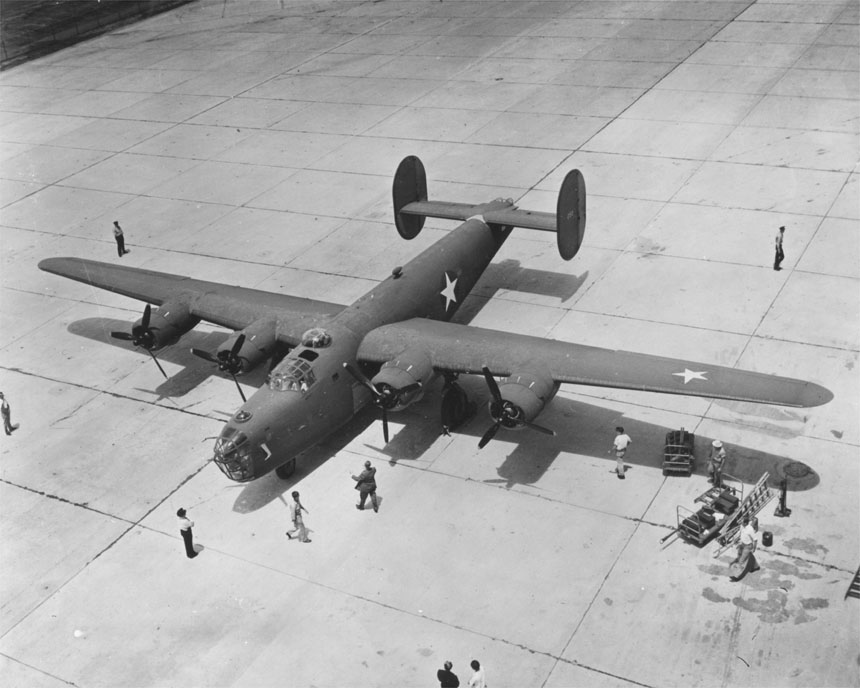
* Consolidated B–24 Liberator (1940; United States)
* Dornier Do 17 (1937; Germany,Kingdom of Yugoslavia)
* Dornier Do 217 (1941; Germany)
* Douglas A–20 Boston (1941; United States)
* Douglas A–26 Invader (1944; United States)
* Fairey Battle (1937; United Kingdom)
* Fiat BR.20 (1938; Italy)
* Focke–Wulf Fw 200 Condor (1940; Germany)
* Fokker C.X (1933; Netherlands, Finland)
* Handley Page Halifax (1940; United Kingdom)
* Handley Page Hampden (1938; United Kingdom)
* Heinkel He 111 (1936; Germany)
* Heinkel He 177 (1943; Germany)
* Ilyushin Il–4 (1938; Soviet Union)
* Junkers Ju 88 (1938; Germany)
* Kawasaki Ki–48 (1940; Japan)
* Liore et Olivier LeO 451 (1939; France)
* Martin A–22 Maryland (1939; France, United Kingdom
* Lockheed A–29 Hudson (1939; United States)
* Lockheed PV–2 Ventura (1942; United States, British Commonwealth, United Kingdom)
* Martin A–30 Baltimore United States, United Kingdom
* Martin B–26 Marauder (1941; United States)
* Martin 139 WS (Netherlands, Thailand)
* Mitsubishi G3M (1937; Japan)
* Mitsubishi G4M (1941; Japan)
* Mitsubishi Ki–21 (Japan, Thailand)
* Nakajima Ki–49 (1938; Japan)
* North American B–25 Mitchell (1941; United States)
* Piaggio P.108 (1942; Italy)
* PZL P.23 (1936; Poland)
* PZL P.37 (1938; Poland)
* Savoia–Marchetti SM.79 (1937; Italy)
* Savoia–Marchetti SM.81 (1935, Italy)
* Short Stirling (1940; United Kingdom)
* Tupolev SB (1934; Soviet Union)
* Tupolev Tu–2 (1944; Soviet Union)
* Vickers Wellington (1938; United Kingdom)
* Yokosuka P1Y (1945; Japan)

Flying Boats and Sea Planes

* PB2Y Coronado (1937; United States, United Kingdom)
* Consolidated PBY Catalina (1935; United States, United Kingdom, Canada)
* PBM Mariner (1939; United States, United Kingdom, Australia, Netherlands)

Transports

* Douglas C–47 Skytrain (1935; United States, United Kingdom)

Rockets and missiles

Surface to surface missiles

* V–1 Flying Bomb (1943; Germany)
* V–2 rocket (1944; Germany)
* Rheinmetall–Borsig Feuerlilie (Germany)

Surface to air missiles

* EMW C2 Wasserfall Missile (Germany)

Air to surface missiles

* Blohm & Voss BV 246 „Hagelkorn“ (Germany)

Air to air missiles

* Ruhrstahl X–4 (Germany)

Liaison Aircraft

*Aeronca L–3
*Fieseler Fi 156 „Storch“
*Piper L–4, O–59 and NE–1
*Stinson L–5
*Taylorcraft L–2
*Westland Lysander
*Mitsubishi Ki–46
*Nakajima C6N
*Yokosuka R2Y

Experimental aircraft

Experimental aircraft are those that never saw operational service or were never intended to do so. They may beaircraft purely designed to test and develop new theories and research on aviation, or may be intended asprototypes of combat or other types of aircraft. Ultimately, if the aircraft was deployed to regular squadrons or usedin more than the rarest of operational missions by other units, it should be listed above under its appropriate type.Some types which did not reach flight status may also be listed here.

* Bell P–59 Airacomet (United States)
* Gloster E.28/39 (United Kingdom)
* Gotha Go 229 (Germany)
* Heinkel He 178 (Germany)
* Heinkel He 280 (Germany)
* Henschel Hs 132 (Germany)
* Junkers Ju 187 (Germany)
* Junkers Ju 287 (Germany)
* Junkers Ju 390 (Germany)
* FH–1 Phantom (United States)
* Messerschmitt Me 264 (Germany)
* Nakajima J9Y (Japan)
* Nakajima Ki–201 (Japan)
* Messerschmitt Me 163 (Germany))

External links

* [http://www.daveswarbirds.com/usplanes/ American Aircraft of World War 2]
* [http://www.aircraftaces.com/ World War Two Aircraft]
* [http://www.acepilots.com/planes/main.html World War Two Combat Planes]
* [http://www.virtualmuseum.ca/pm.php?id=record_detail&fl=0&lg=English&ex=00000104&rd=63873&hs=0 Prince Edward Island – Memoriesof WWII]